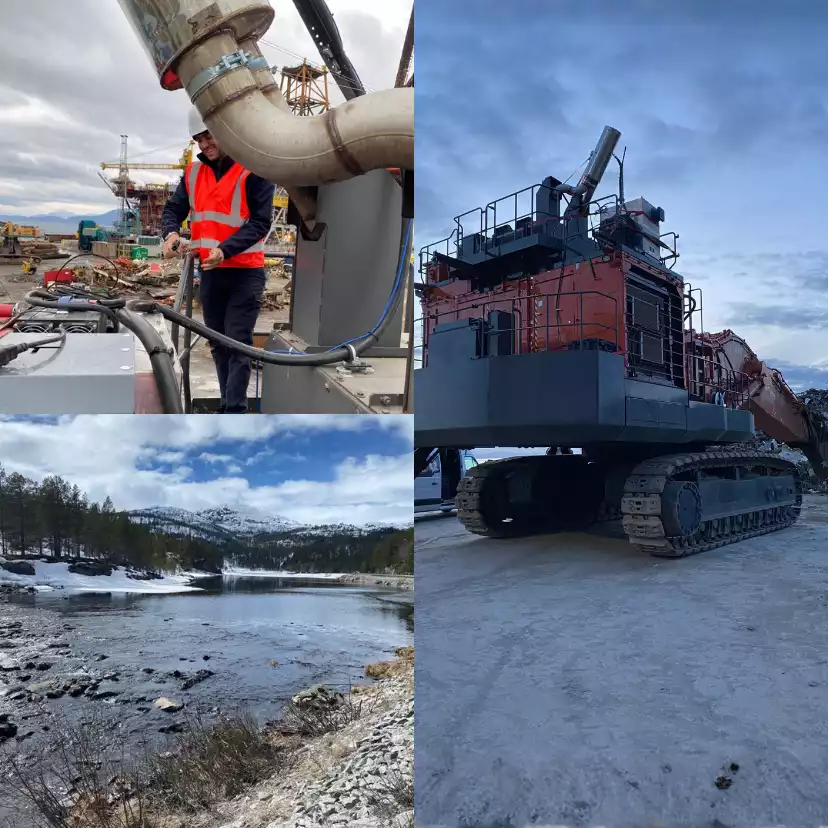
Measuring emissions from an excavator in Norway: our ISM campaign under real-world conditions.
Measuring emissions from an excavator in Norway: our ISM campaign under real-world conditions.
Discover in detail our ISM measurement project on an excavator in Norway, from installation to results.
A measurement campaign under real-world operating conditions
The Stage V regulation imposes strict requirements on non-road mobile machinery regarding pollutant emissions, with the aim of reducing the environmental impact of thermal vehicles operating on construction sites. To demonstrate compliance, operators must now be able to produce real-world measured data, in accordance with the ISM (In-Service Monitoring) protocol. It was within this framework that our client wanted to assess the pollutant emissions of their engine installed on an excavator under normal operating conditions, while maintaining continuity of their operations.
The particular challenge of this mission lay in the specific characteristics of the machine: the cold and humidity of the construction site influence the engine's behavior, while the excavator itself operates with different types of loading (empty arm or loaded). These constraints required particularly precise monitoring throughout the campaign to ensure data representative of the machine's real-world use.
A tailor-made ISM campaign, adapted to the vehicle's work cycles
To address this challenge, we deployed an ISM testing campaign by instrumenting the machine with a PEMS (Portable Emissions Measurement System), enabling real-time measurement of the main pollutants regulated by the Stage V standard: nitrogen oxides (NOx), carbon monoxide (CO), carbon dioxide (CO2), and unburned hydrocarbons (HC). The tests took place on a construction site under real operating conditions, to cover a sufficient variety of operational situations and ensure good representativeness of the collected data.
Several key parameters were tracked throughout the campaign, notably the different load cycles encountered by the engine according to the excavator's work phases. The site's geographic remoteness was also a logistical challenge in its own right: working in Norway required specific organization, from international transport of the measurement equipment, to verifying its integrity upon arrival, to close coordination with local teams to align our tests with the operation's schedule.
Expertise mobilized beyond compliance
This campaign allowed CRMT to deploy its ISM expertise in a new European territory, adapting to the specifics of a Norwegian construction site and the load cycles specific to an excavator. It provided the client with precise knowledge of the different types of emissions from their vehicle under normal operating conditions, a solid basis for anticipating upcoming regulatory changes and, if necessary, initiating optimization efforts.
This mission illustrates the deployment of CRMT's ISM expertise beyond its usual borders, actively contributing to the reduction of pollutant emissions from non-road mobile machinery at the European scale.
Related projects
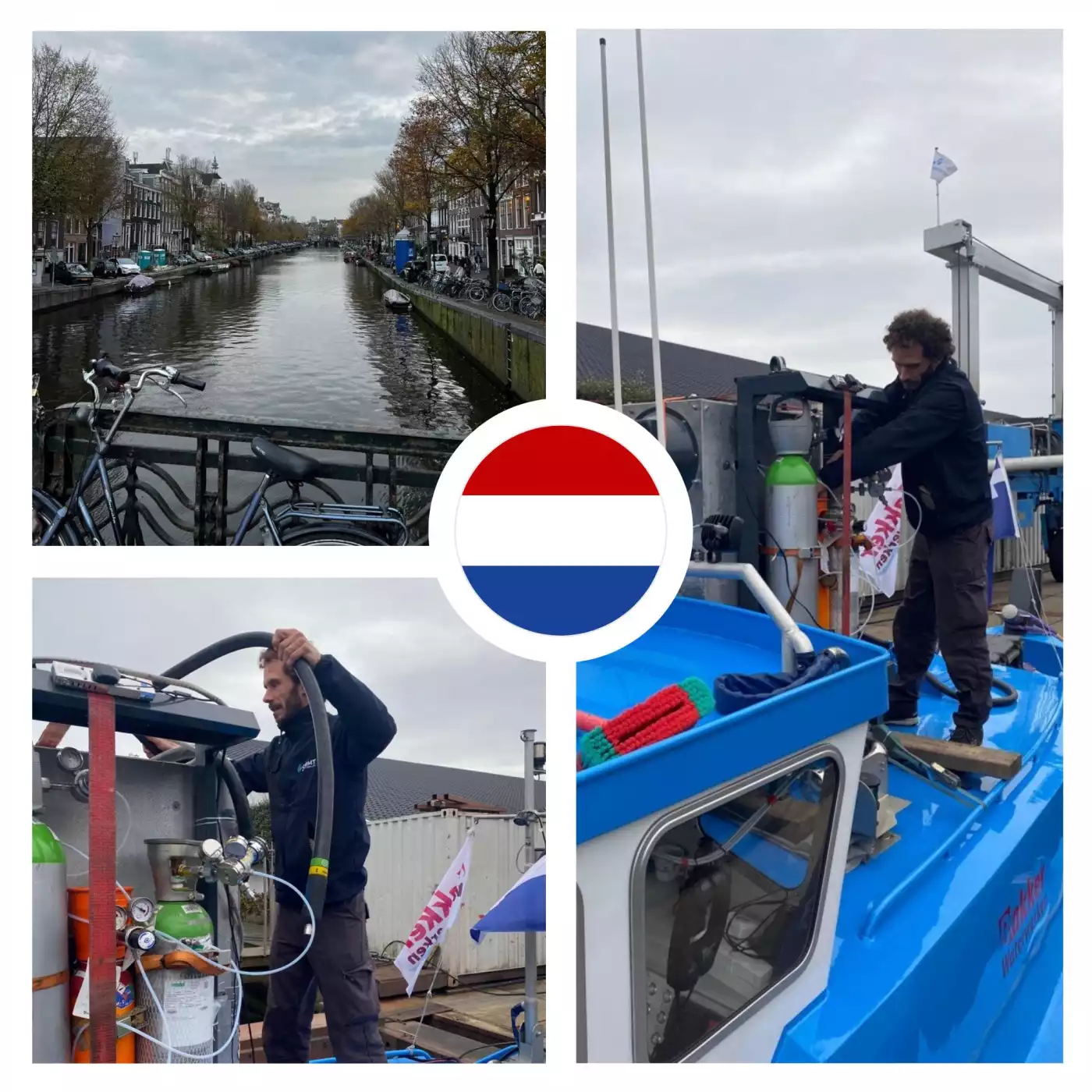
ISM testing campaign on a boat in the Netherlands.
CRMT carried out an ISM testing campaign on a boat in Amsterdam to measure pollutant emissions under real operating conditions. The tests enabled real-time measurement of NOx, PM, PN and CO emissions, followed by the delivery of a complete report compliant with Stage V regulations.
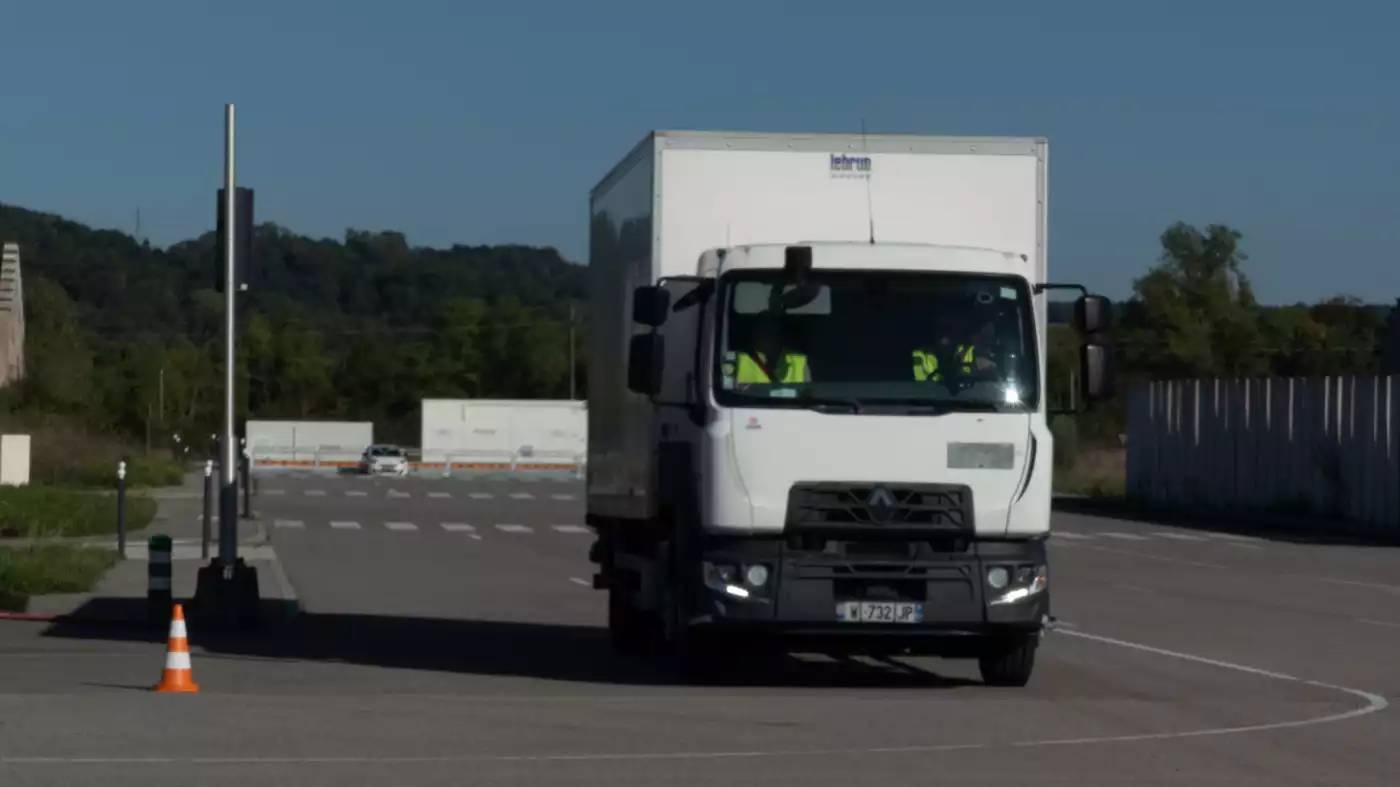
HORECHAP Project: A study of non-exhaust emissions from heavy-duty vehicles
Funded by ADEME, HORECHAP is a study conducted by Gustave Eiffel University (UGE), ULCO, and CRMT aiming to quantify non-exhaust fine particle emissions (brakes and tires) from thermal and electric heavy-duty vehicles. Discover how CRMT participated on several aspects of the project to ensure the reliability of the measurements.
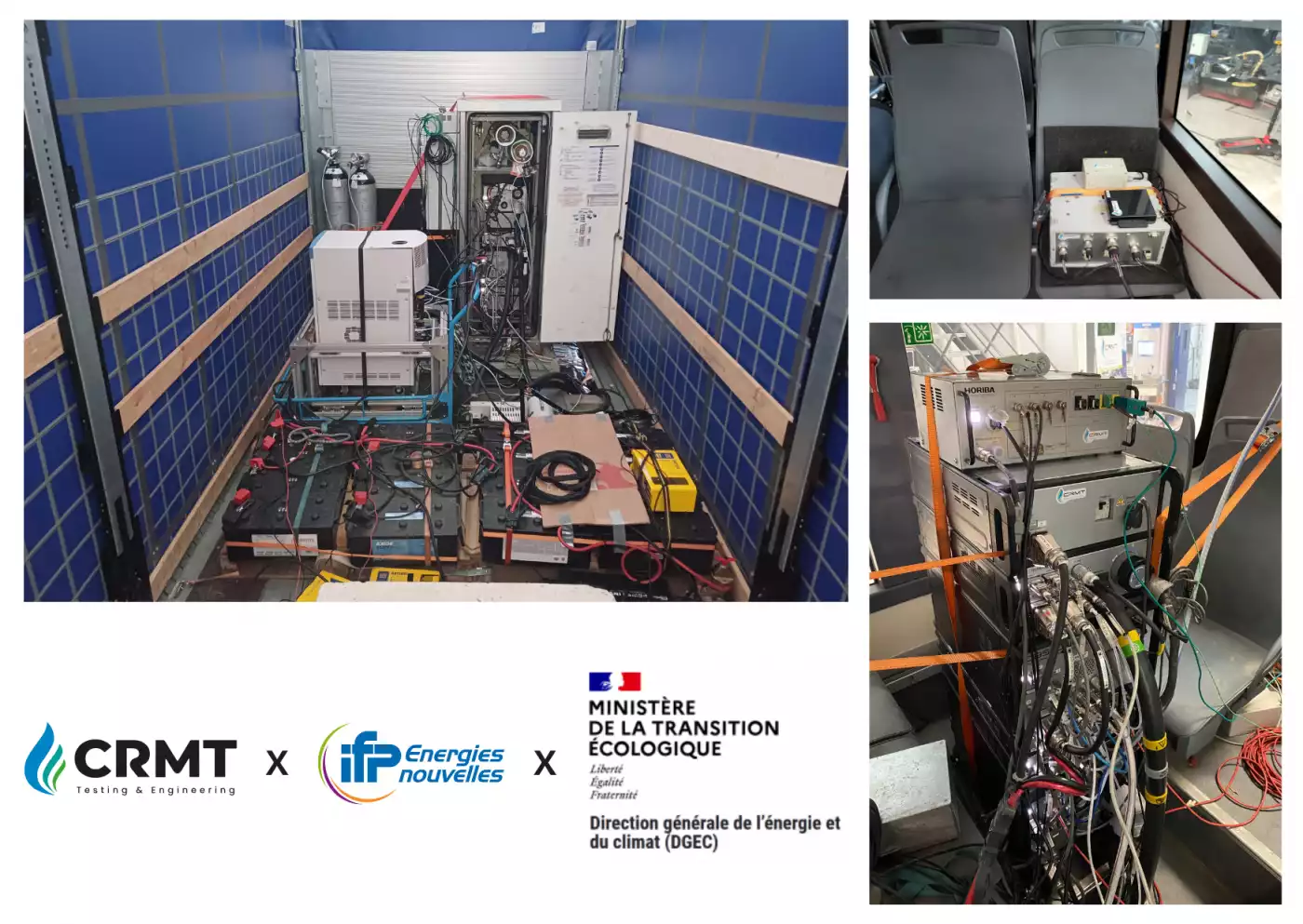
CRMT is taking part in a study for the DGEC of the French Ministry for the Ecological Transition.
CRMT was selected to contribute to a large-scale study coordinated by IFP Energies
Nouvelles on behalf of the Directorate General for Energy and Climate (DGEC) of the
French Ministry for the Ecological Transition.
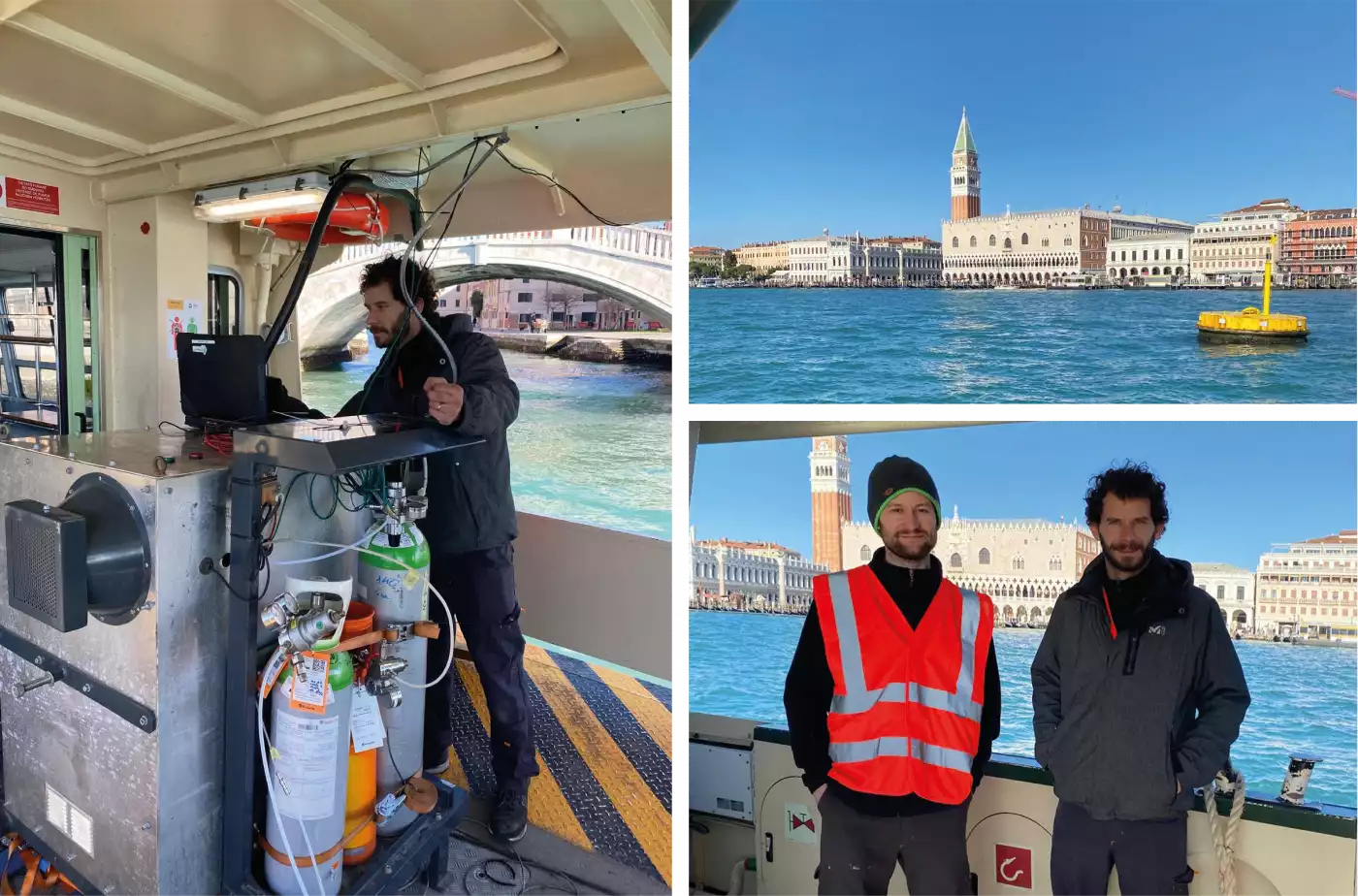
Real-world Pollutant Emission Measurements at the Heart of the Venetian Lagoon
CRMT conducted real-world ISM testing in the Venetian Lagoon to measure pollutant emissions from vessels.
Using a PEMS, precise data was collected to optimize energy performance and meet regulatory requirements.
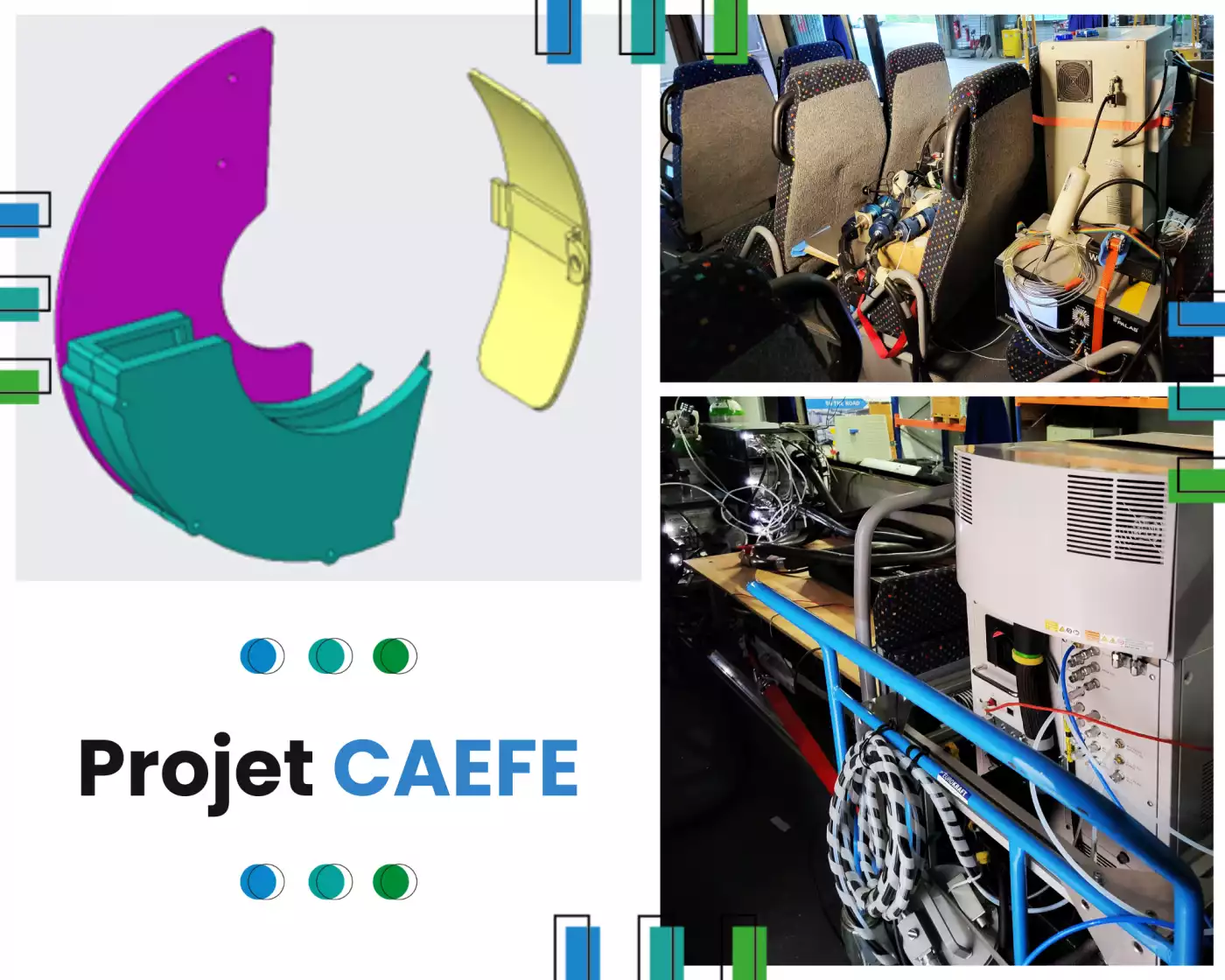
Project CAEFE: A study on non-exhaust emissions from brake particle wear
CRMT, in collaboration with ADEME, Gustave Eiffel University and Telma, is carrying out a comprehensive study of pollutant emissions from a coach's brakes and exhaust under real-life conditions, designing and testing innovative particle capture devices to reduce pollution and improve air quality.
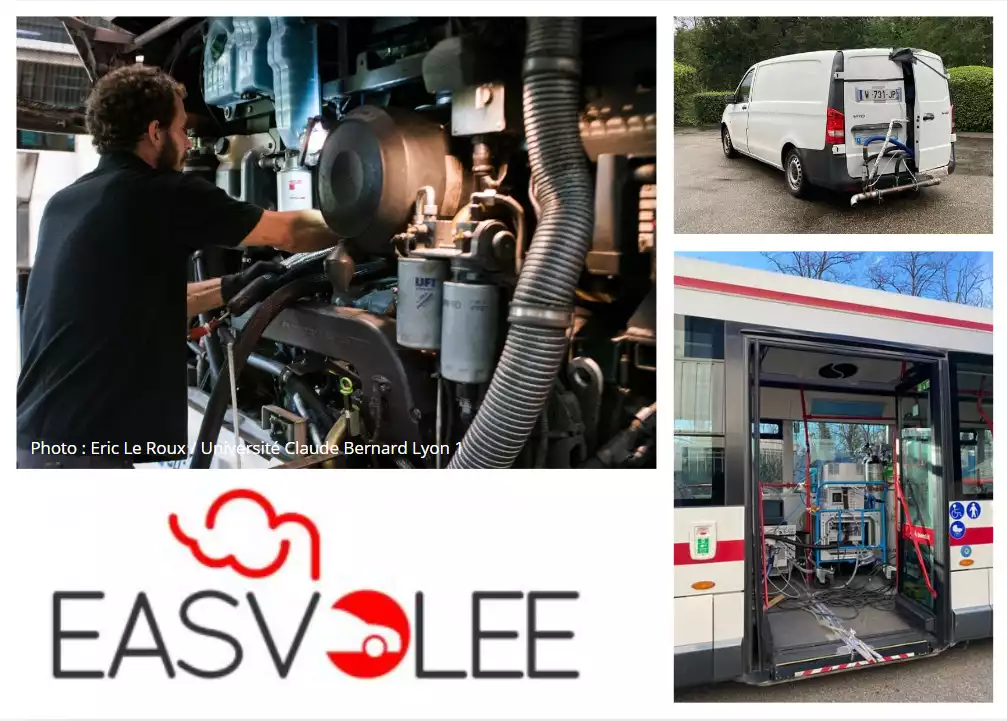
European EASVOLEE project
As part of the EASVOLEE project, CRMT is playing a key role in measuring emissions of regulated and non-regulated pollutants from different types of vehicle under real operating conditions, in order to gather valuable data for improving air quality in Europe.
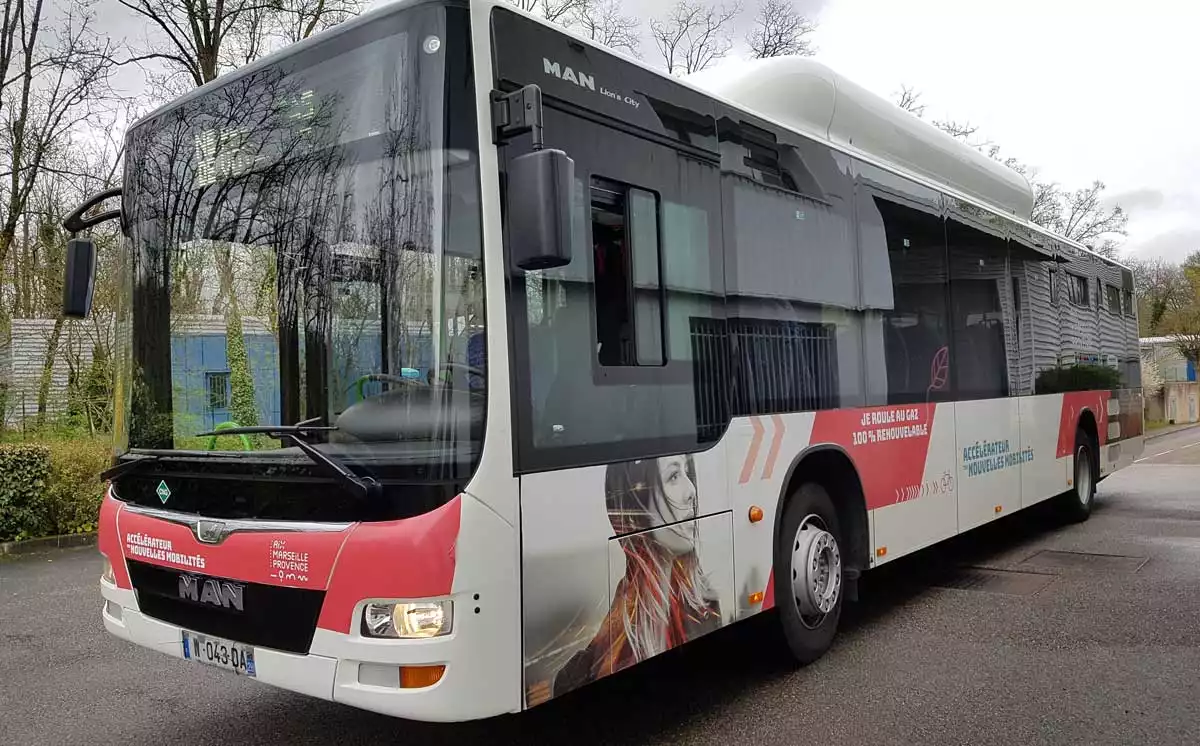
Environmental performance measurements of MAN EURO 6 diesel/HVO and CNG coaches in the PACA region
CRMT carries out measurements of pollutant emissions on diesel and HVO coaches for comparative purposes.

Equilibre project: 19 vehicles tested and 1.5 million km driven !
As part of the Équilibre project, CRMT assessed the environmental performance of CNG vehicles compared with diesel vehicles.
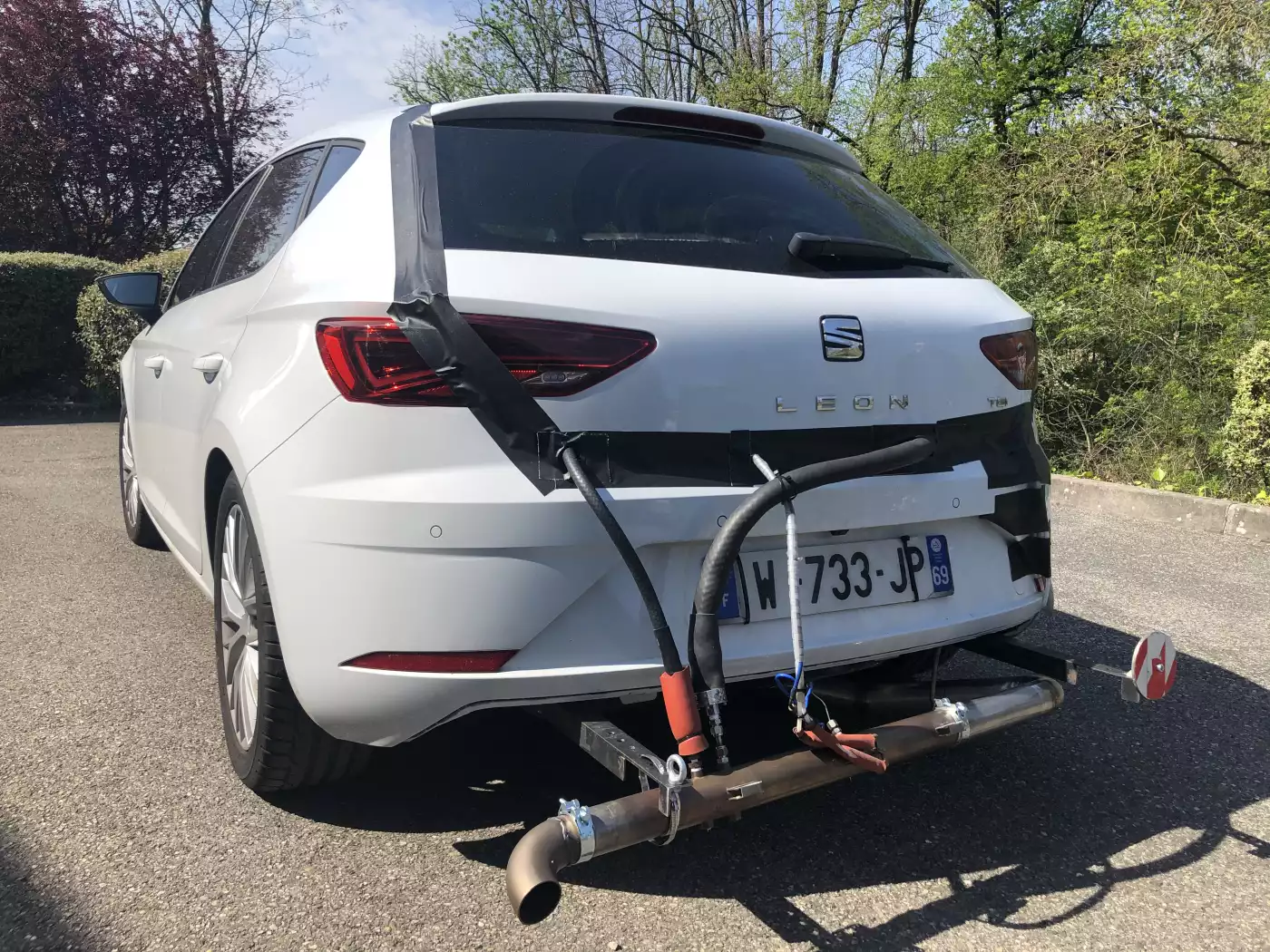
CORTEA : measuring pollutant emissions on light vehicles
CRMT has carried out R&D tests on various vehicles in the RDE cycle to measure various non-regulated pollutants that have an impact on air quality, such as volatile organic compounds (VOCs) and sulfur compounds.
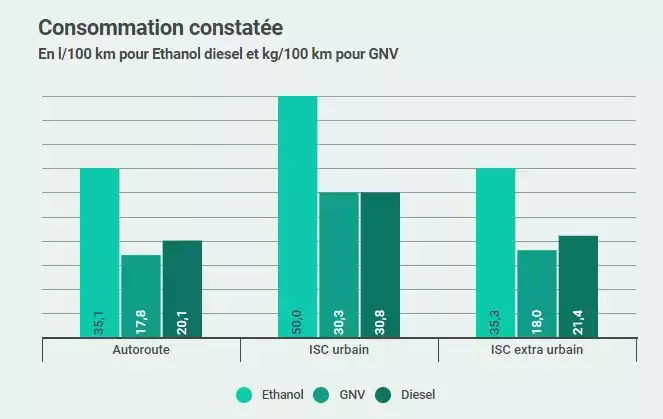
SCANIA: Clean engines and new era
CRMT carried out comparative tests for Scania France to assess the emissions of Euro VI coaches running on diesel, CNG and ethanol under real operating conditions.