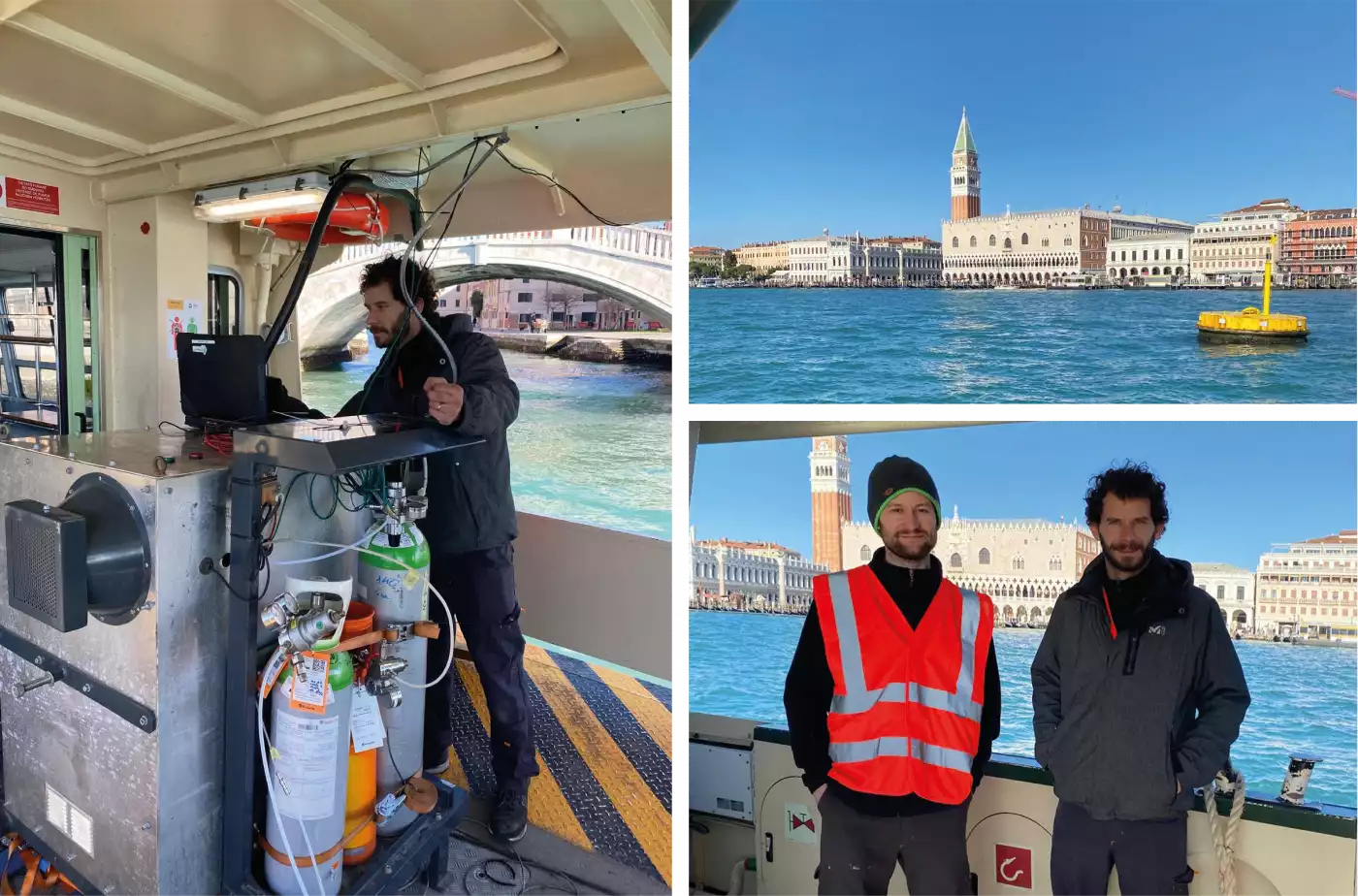
ISM Testing Campaign on a Vessel
Real-world Pollutant Emission Measurements at the Heart of the Venetian Lagoon
CRMT OFFERS ITS SERVICES IN ITALY FOR POLLUTANT EMISSIONS MEASUREMENT (ISM).
REAL-WORLD OPERATING TESTS
The client, a maritime transport operator in the Venetian Lagoon, aimed to assess the environmental impact of its vessels under actual operating conditions. This need stemmed from a growing desire to comply with European regulations on pollutant emissions and to anticipate future standards in the maritime sector.
Due to the unique characteristics of the Venetian Lagoon—combining heavy maritime traffic, variable currents and tides, and changing weather conditions—the client sought accurate and reliable measurements of the pollutant emissions generated by its vessels in these dynamic conditions.
The objective was twofold: first, to evaluate the environmental impact of operations to develop improvement strategies; and second, to demonstrate compliance with current regulations and prepare for future ones. However, the specific navigation conditions in the lagoon required an innovative and precisely tailored methodological approach.
A TAILOR-MADE ISM (IN SERVICE MONITORING) TESTING CAMPAIGN
To address this challenge, CRMT deployed an ISM (In Service Monitoring) testing campaign using a PEMS (Portable Emissions Measurement System). The tests were conducted under real-world operating conditions in the Venetian Lagoon, allowing emissions to be measured directly during navigation.
The use of the PEMS made it possible to collect accurate and representative data by taking several specific factors into account:
-
Engine Load Variations: Depending on vessel speed and maritime traffic density, engines experience fluctuating loads, directly impacting emissions.
-
Influence of Currents and Tides: Natural lagoon-specific conditions, such as strong currents and tide shifts, play a crucial role in engine energy performance.
-
Changing Weather Conditions: Variations in temperature, humidity, and pressure affect combustion and, consequently, emissions.
CRMT's intervention followed a rigorous methodology to ensure measurement representativeness. The tests were carried out over a sufficient period to capture a range of operational situations, with in-depth analyses of each identified factor.
DATA TO OPTIMIZE ENERGY PERFORMANCE
CRMT stood out through its ability to adapt its methodologies to an atypical environment like the Venetian Lagoon. Drawing on its expertise in real-world testing, the CRMT team leveraged experience across multiple domains (road, rail, and now maritime) to deliver a tailor-made approach.
Beyond regulatory compliance, CRMT provided real added value by collecting actionable data to improve the vessels’ energy performance. This ability to turn raw data into concrete operational insights enabled the client to better understand the environmental impact of its activities and identify targeted areas for improvement.
Through this real-world ISM campaign, CRMT continues to demonstrate its capacity to adapt to all types of environments, actively contributing to reducing pollutant emissions in the maritime sector. To discover our expertise in regulatory testing, click here.
Have a similar project? Contact us now to discuss it.
Related projects
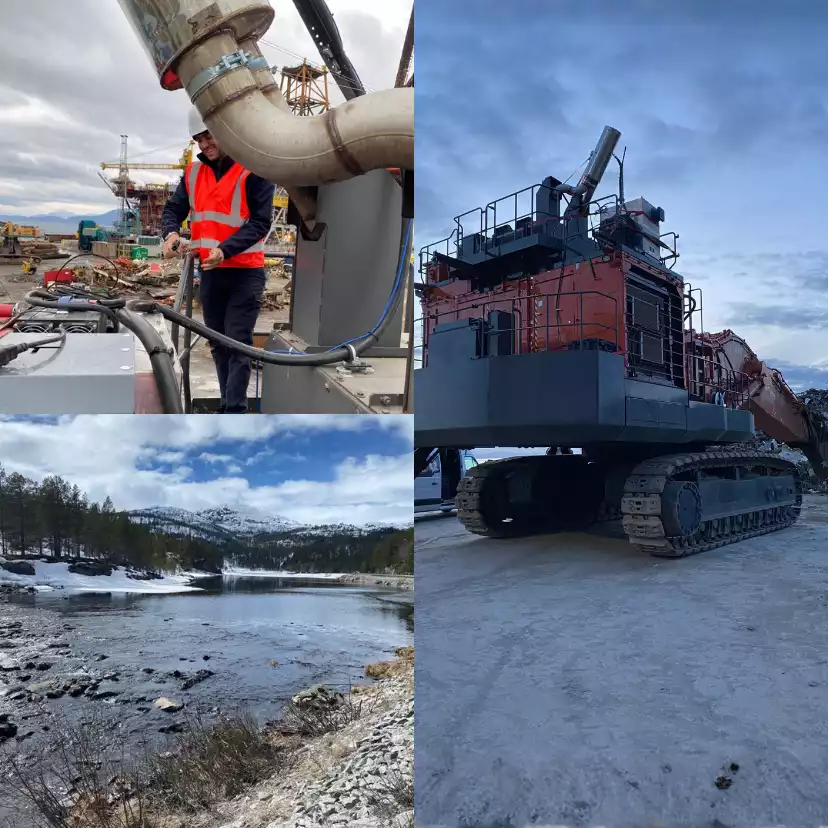
Measuring emissions from an excavator in Norway: our ISM campaign under real-world conditions.
As part of an ISM measurement campaign, CRMT instrumented an excavator under real operating conditions. By deploying a PEMS system on this off-road machine with significant logistical and technical constraints, our teams measured the main regulated pollutants while preserving the client's operational continuity. This mission illustrates our ability to adapt our methodology to any type of vehicle and environment, well beyond simple regulatory compliance.
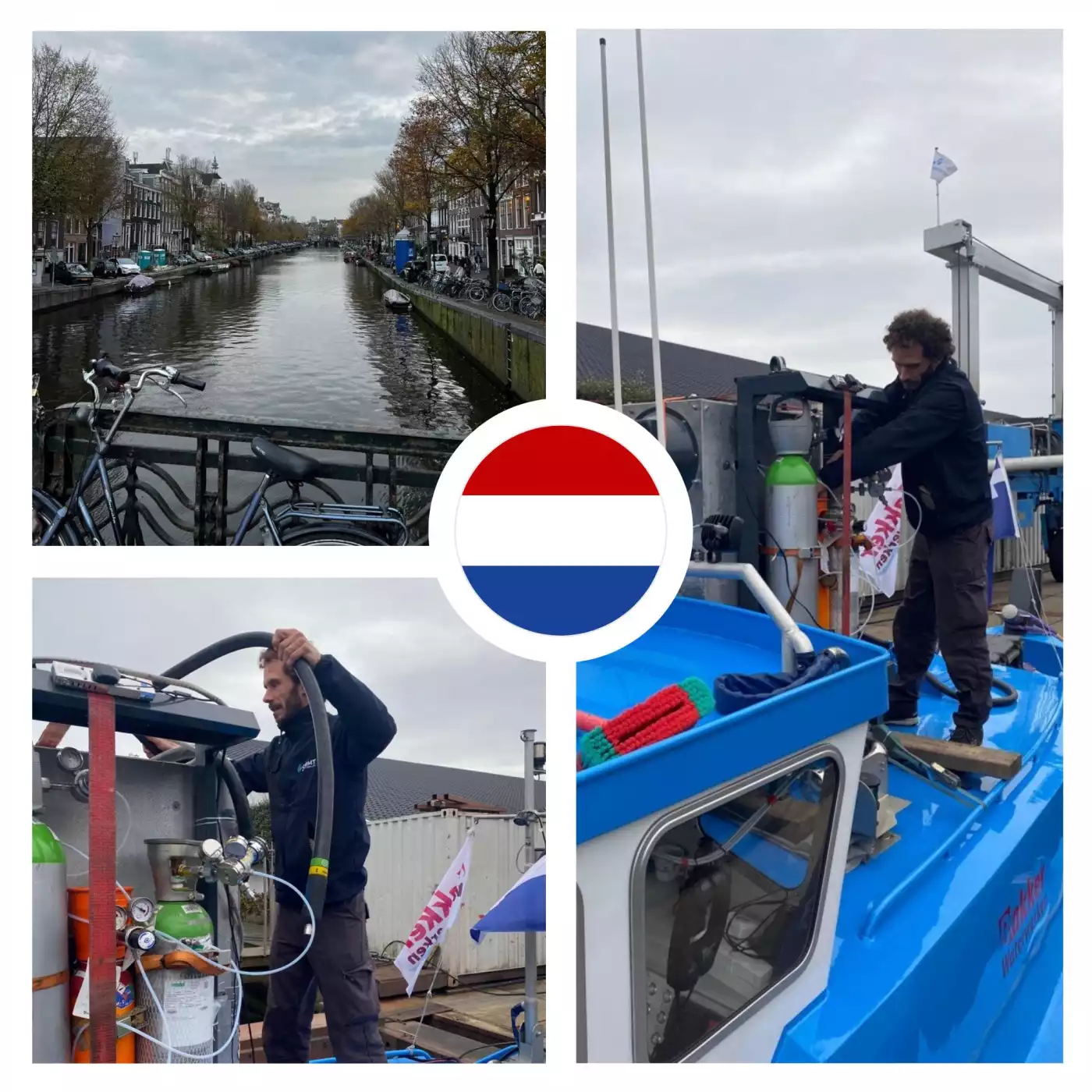
ISM testing campaign on a boat in the Netherlands.
CRMT carried out an ISM testing campaign on a boat in Amsterdam to measure pollutant emissions under real operating conditions. The tests enabled real-time measurement of NOx, PM, PN and CO emissions, followed by the delivery of a complete report compliant with Stage V regulations.
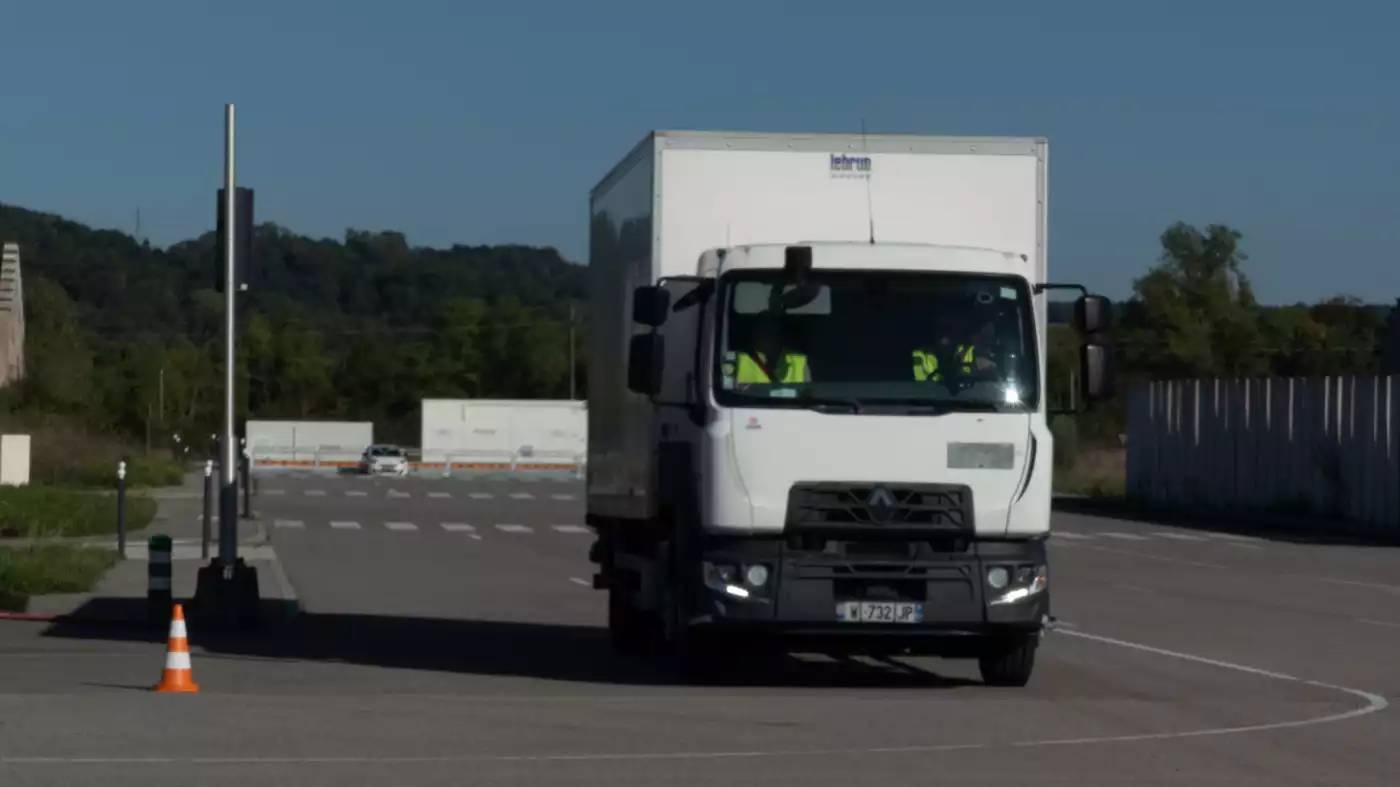
HORECHAP Project: A study of non-exhaust emissions from heavy-duty vehicles
Funded by ADEME, HORECHAP is a study conducted by Gustave Eiffel University (UGE), ULCO, and CRMT aiming to quantify non-exhaust fine particle emissions (brakes and tires) from thermal and electric heavy-duty vehicles. Discover how CRMT participated on several aspects of the project to ensure the reliability of the measurements.
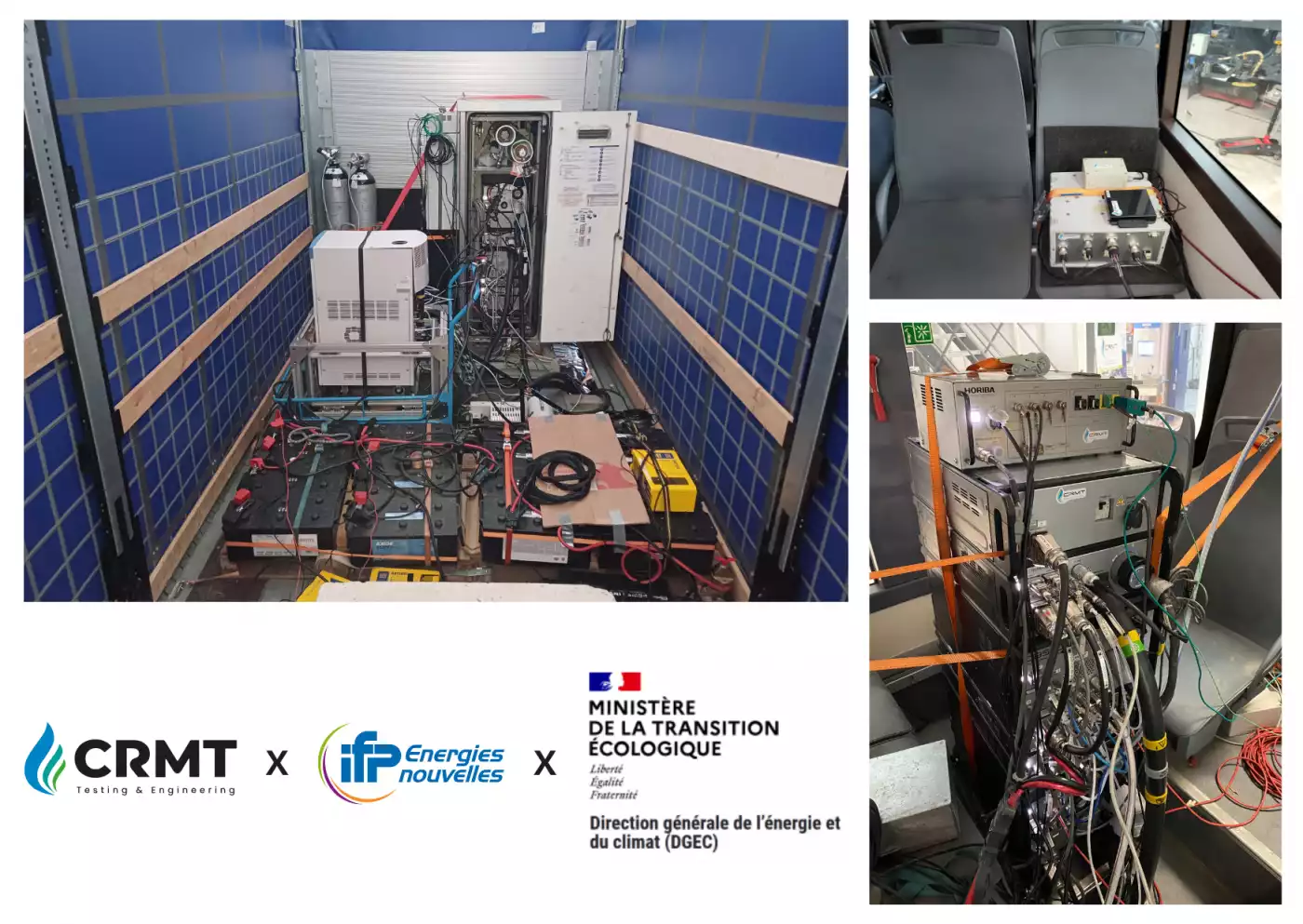
CRMT is taking part in a study for the DGEC of the French Ministry for the Ecological Transition.
CRMT was selected to contribute to a large-scale study coordinated by IFP Energies
Nouvelles on behalf of the Directorate General for Energy and Climate (DGEC) of the
French Ministry for the Ecological Transition.
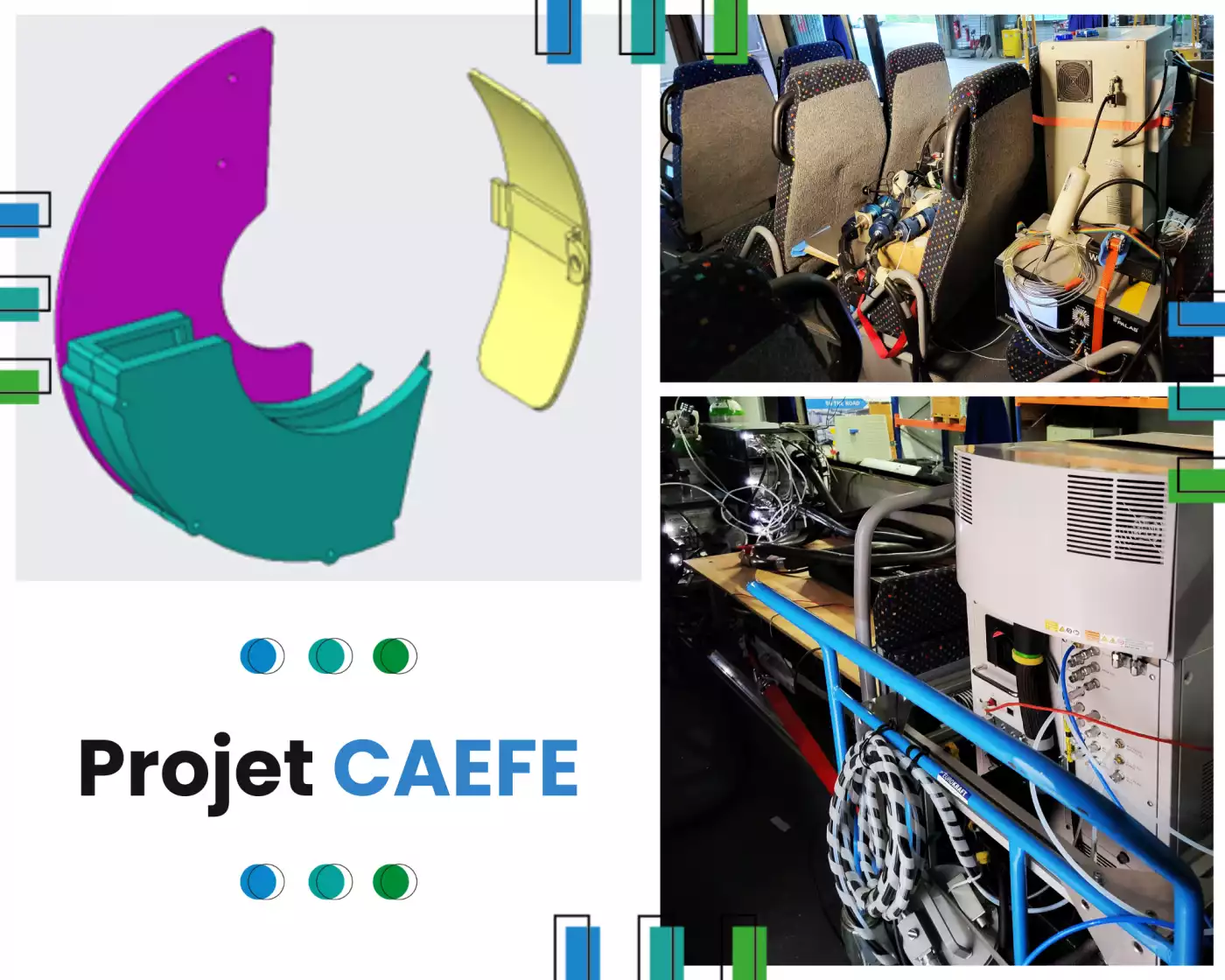
Project CAEFE: A study on non-exhaust emissions from brake particle wear
CRMT, in collaboration with ADEME, Gustave Eiffel University and Telma, is carrying out a comprehensive study of pollutant emissions from a coach's brakes and exhaust under real-life conditions, designing and testing innovative particle capture devices to reduce pollution and improve air quality.
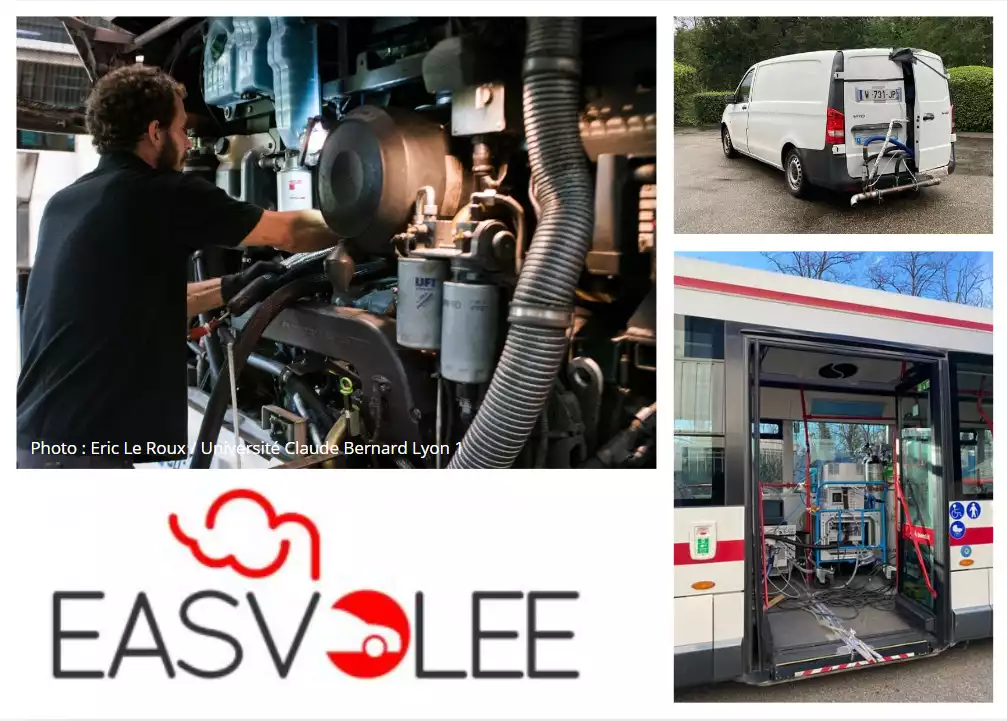
European EASVOLEE project
As part of the EASVOLEE project, CRMT is playing a key role in measuring emissions of regulated and non-regulated pollutants from different types of vehicle under real operating conditions, in order to gather valuable data for improving air quality in Europe.
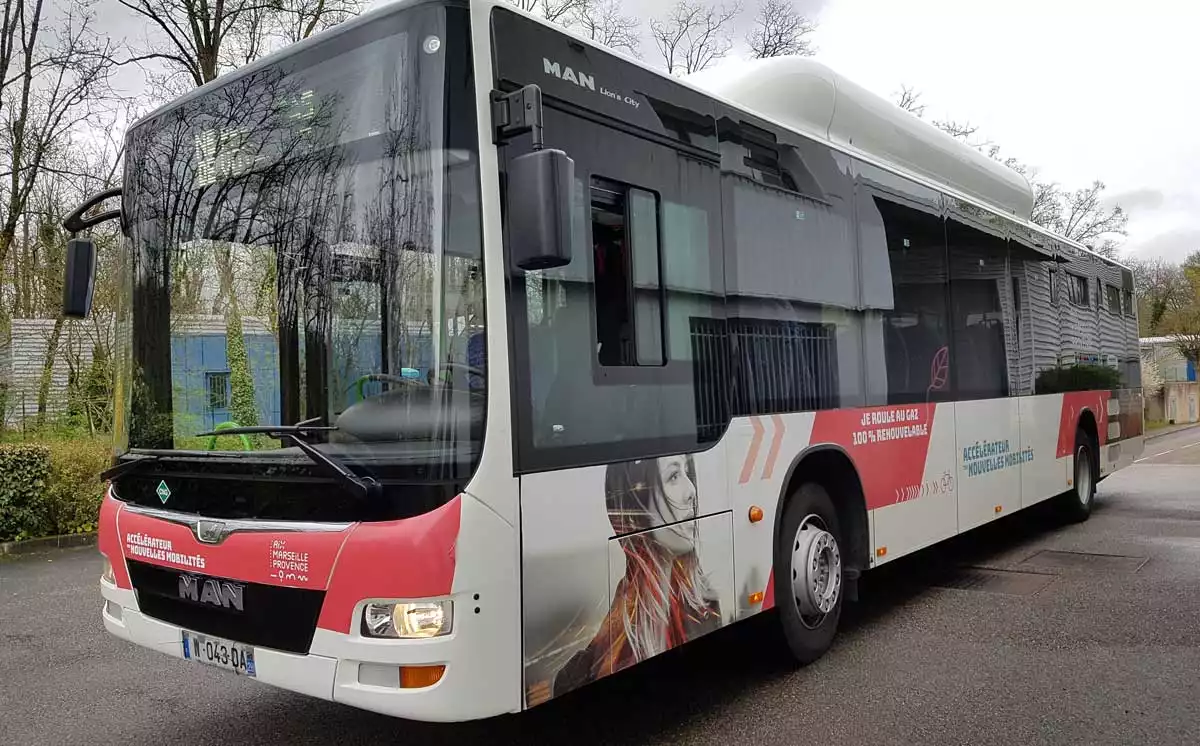
Environmental performance measurements of MAN EURO 6 diesel/HVO and CNG coaches in the PACA region
CRMT carries out measurements of pollutant emissions on diesel and HVO coaches for comparative purposes.

Equilibre project: 19 vehicles tested and 1.5 million km driven !
As part of the Équilibre project, CRMT assessed the environmental performance of CNG vehicles compared with diesel vehicles.
CORTEA : measuring pollutant emissions on light vehicles
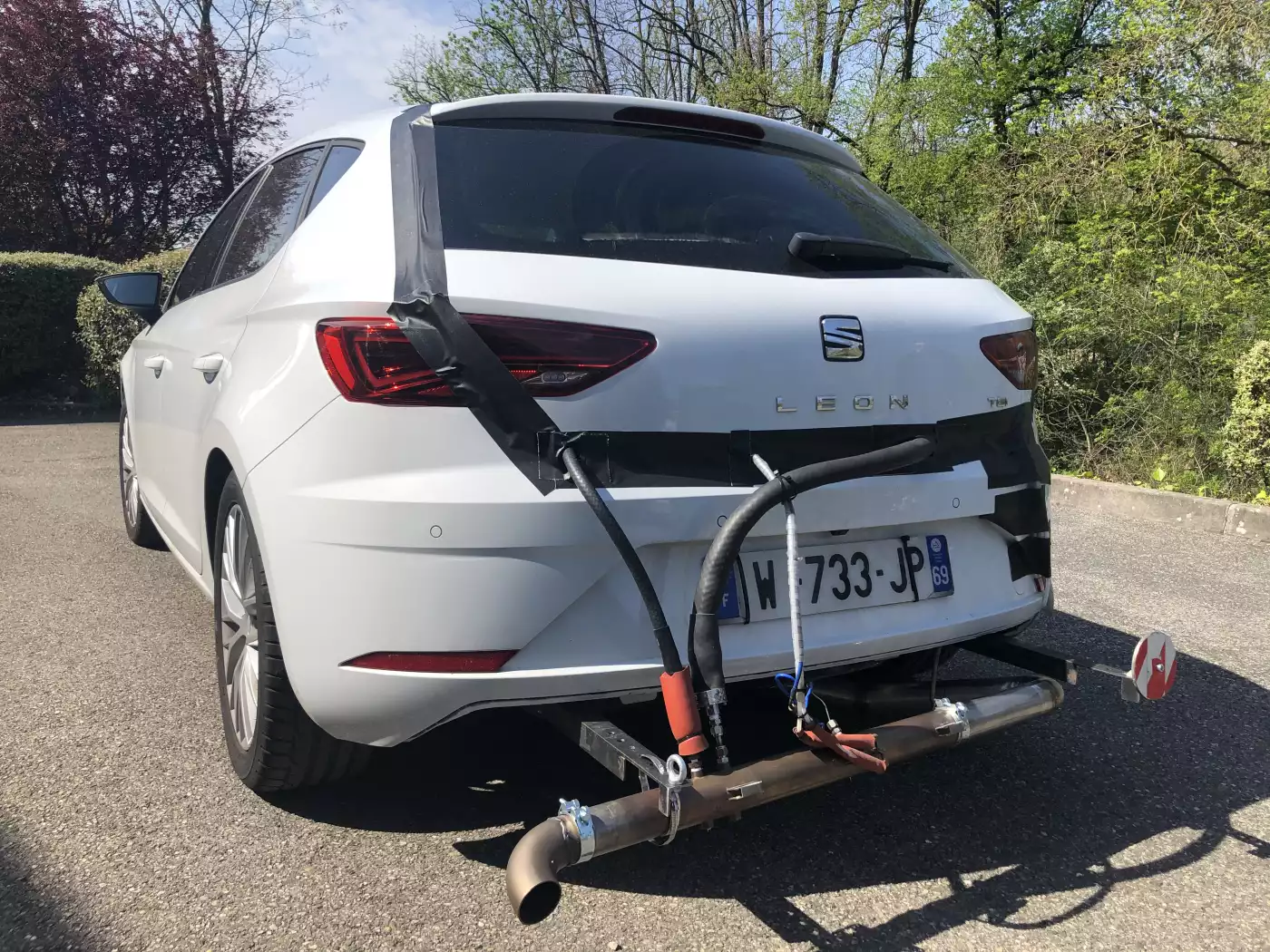
CRMT has carried out R&D tests on various vehicles in the RDE cycle to measure various non-regulated pollutants that have an impact on air quality, such as volatile organic compounds (VOCs) and sulfur compounds.
SCANIA: Clean engines and new era
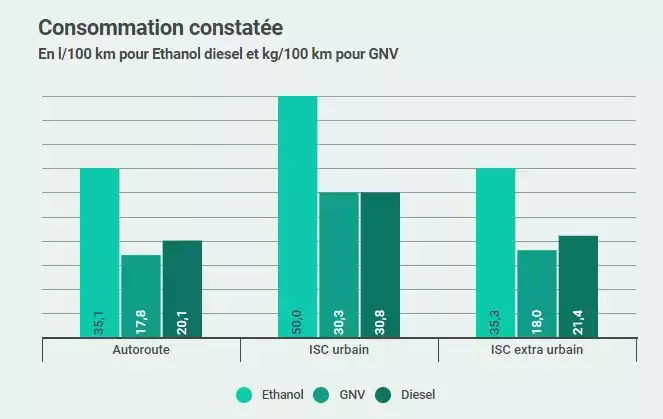
CRMT carried out comparative tests for Scania France to assess the emissions of Euro VI coaches running on diesel, CNG and ethanol under real operating conditions.