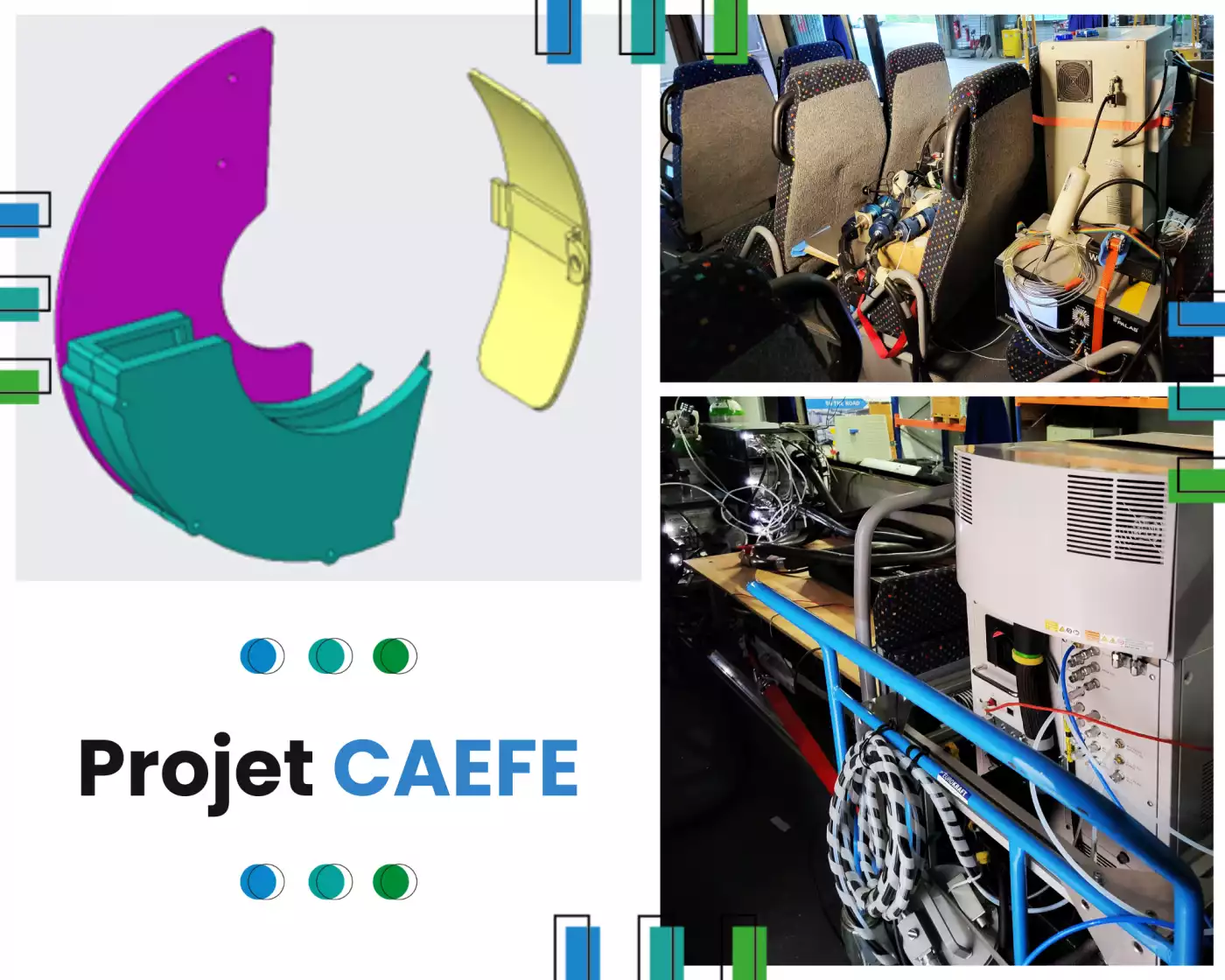
CAEFE: Analysis of Non-Exhaust and Brake Emissions
Project CAEFE: A study on non-exhaust emissions from brake particle wear
A STUDY TO BETTER UNDERSTAND FINE PARTICLES AND NON-EXHAUST EMISSIONS
FINE PARTICLES: AN INVISIBLE POLLUTION MEASURED BY CRMT
Road transport has a major impact on air pollution, especially in urban areas, by emitting various pollutants such as hydrocarbons (HC), carbon monoxide (CO), nitrogen oxides (NOx), volatile organic compounds (VOCs), heavy metals and fine particles. A growing proportion of fine particulates is generated by wear and tear on brakes, tires and road surfaces.
With the support of ADEME, Gustave Eiffel University and Telma, CRMT is working on characterizing and comparing emissions of brake and exhaust pollutants on a coach in operating conditions. CRMT has carried out a campaign to measure both exhaust and non-exhaust pollutant emissions from a coach's brakes, under actual operating conditions. The aim of this study is to understand and evaluate these emissions, and to propose solutions to reduce them and thus improve air quality.
CHARACTERIZATION OF BRAKE PARTICLES: A TWO-PHASE STUDY
The project was developed in two phases:
Firstly, CRMT applied its expertise in the modeling and design of customized particle collection devices (technical choices, prototyping and modeling, manufacturing management and instrumentation). The teams thus developed a brake particle sampling system dedicated to the bus under test.
The vehicle was then put through its paces on a school run, simulating the constraints associated with the use of a school bus: frequent and prolonged stops, short route, ensuring high brake loads. The coach was then tested on a certification route (ISC type) with a complete cycle including urban, extra-urban and freeway journeys. This second campaign enabled comparisons to be made between the use and non-use of the Telma device, an electromagnetic retarder that emits no fine particles thanks to its frictionless design.
Several measuring instruments were used, including FTIR (Fourier Transform Infrared Spectroscopy), which measures emissions of regulated and non-regulated pollutants such as: VOCs, methanol, ethanol, acetaldehyde, MTBE, DME, acetone, SO2, acetic acid, etc..,
An exhaust flowmeter and various PEMS (Portable Emissions Measurement Systems) were also used to measure various pollutants: CO, HC, NOx, CO2, NO2,
CRMT MOBILIZES COMPLETE EXPERTISE FROM DESIGN TO ON-BOARD MEASUREMENT
CRMT's experience in the engineering, development and integration of brake particle collection systems, as well as in on-board measurements, means we can offer complete expertise from the design of a particle collection solution to the execution of the test campaign.
For more information on our expertise in measuring regulated and non-regulated pollutant emissions : R&D : Non-regulated pollutant emissions measurement
Related projects
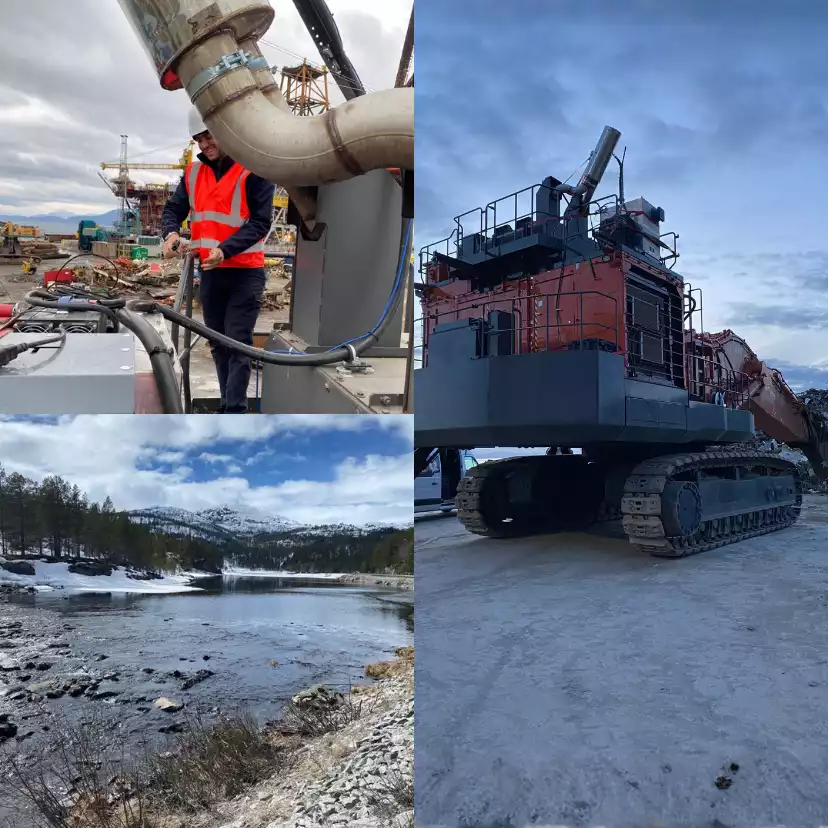
Measuring emissions from an excavator in Norway: our ISM campaign under real-world conditions.
As part of an ISM measurement campaign, CRMT instrumented an excavator under real operating conditions. By deploying a PEMS system on this off-road machine with significant logistical and technical constraints, our teams measured the main regulated pollutants while preserving the client's operational continuity. This mission illustrates our ability to adapt our methodology to any type of vehicle and environment, well beyond simple regulatory compliance.
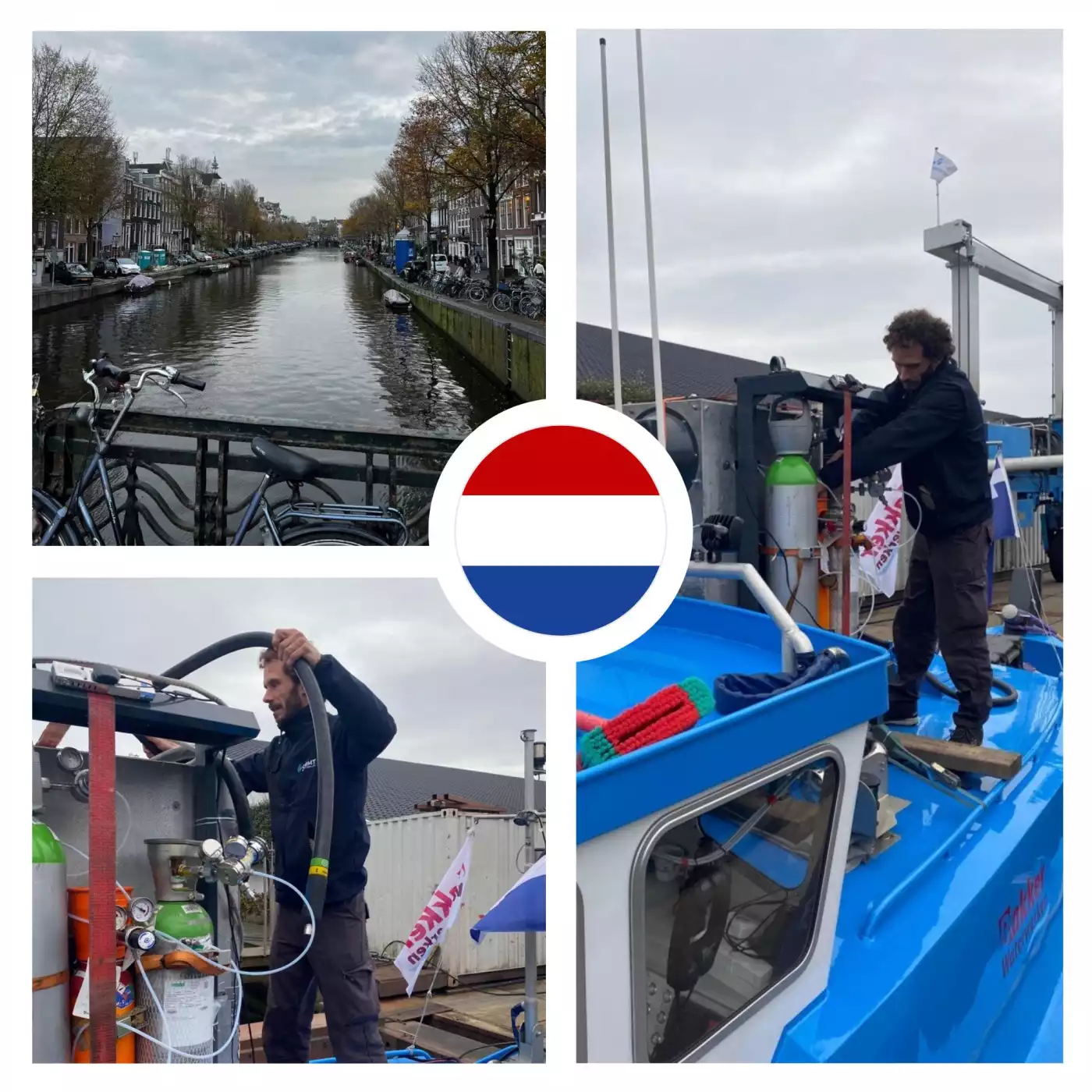
ISM testing campaign on a boat in the Netherlands.
CRMT carried out an ISM testing campaign on a boat in Amsterdam to measure pollutant emissions under real operating conditions. The tests enabled real-time measurement of NOx, PM, PN and CO emissions, followed by the delivery of a complete report compliant with Stage V regulations.
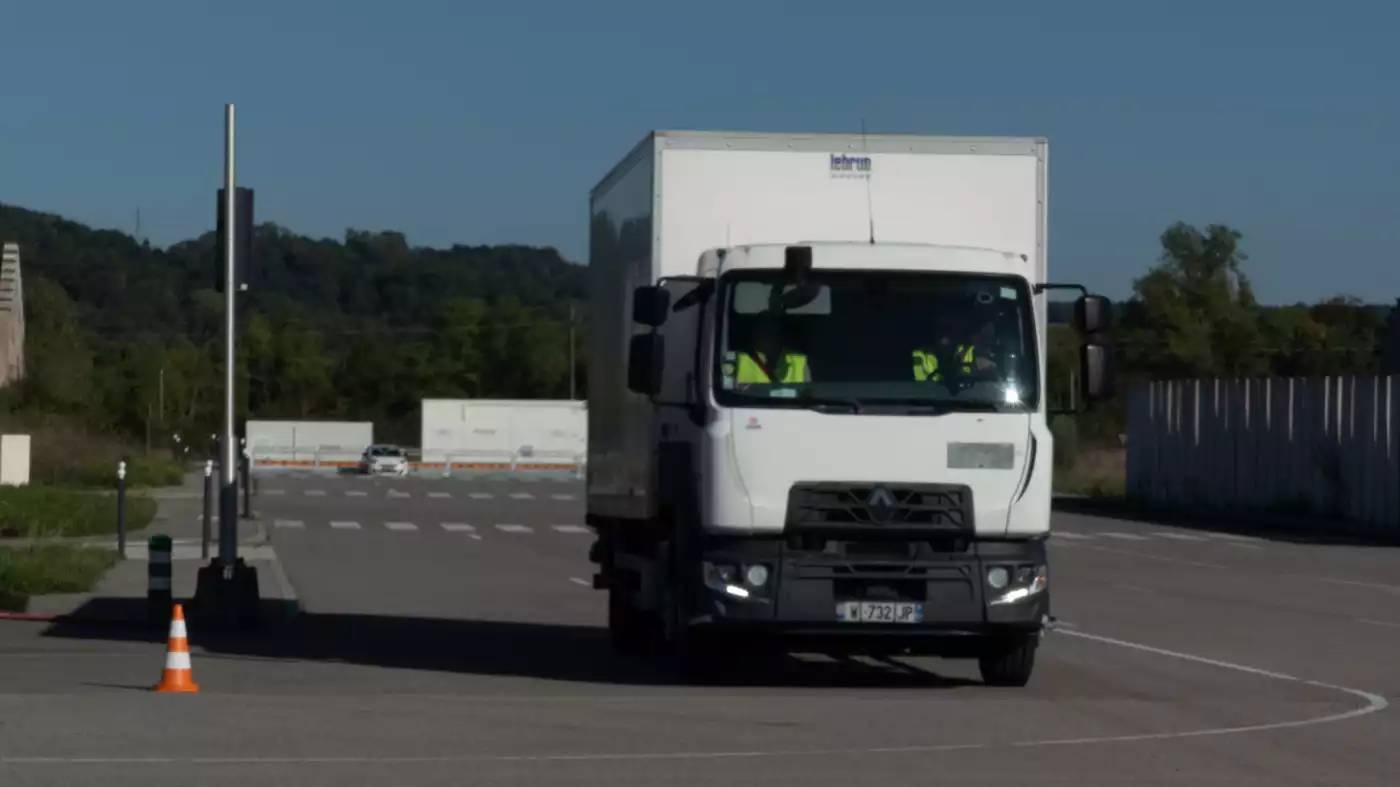
HORECHAP Project: A study of non-exhaust emissions from heavy-duty vehicles
Funded by ADEME, HORECHAP is a study conducted by Gustave Eiffel University (UGE), ULCO, and CRMT aiming to quantify non-exhaust fine particle emissions (brakes and tires) from thermal and electric heavy-duty vehicles. Discover how CRMT participated on several aspects of the project to ensure the reliability of the measurements.
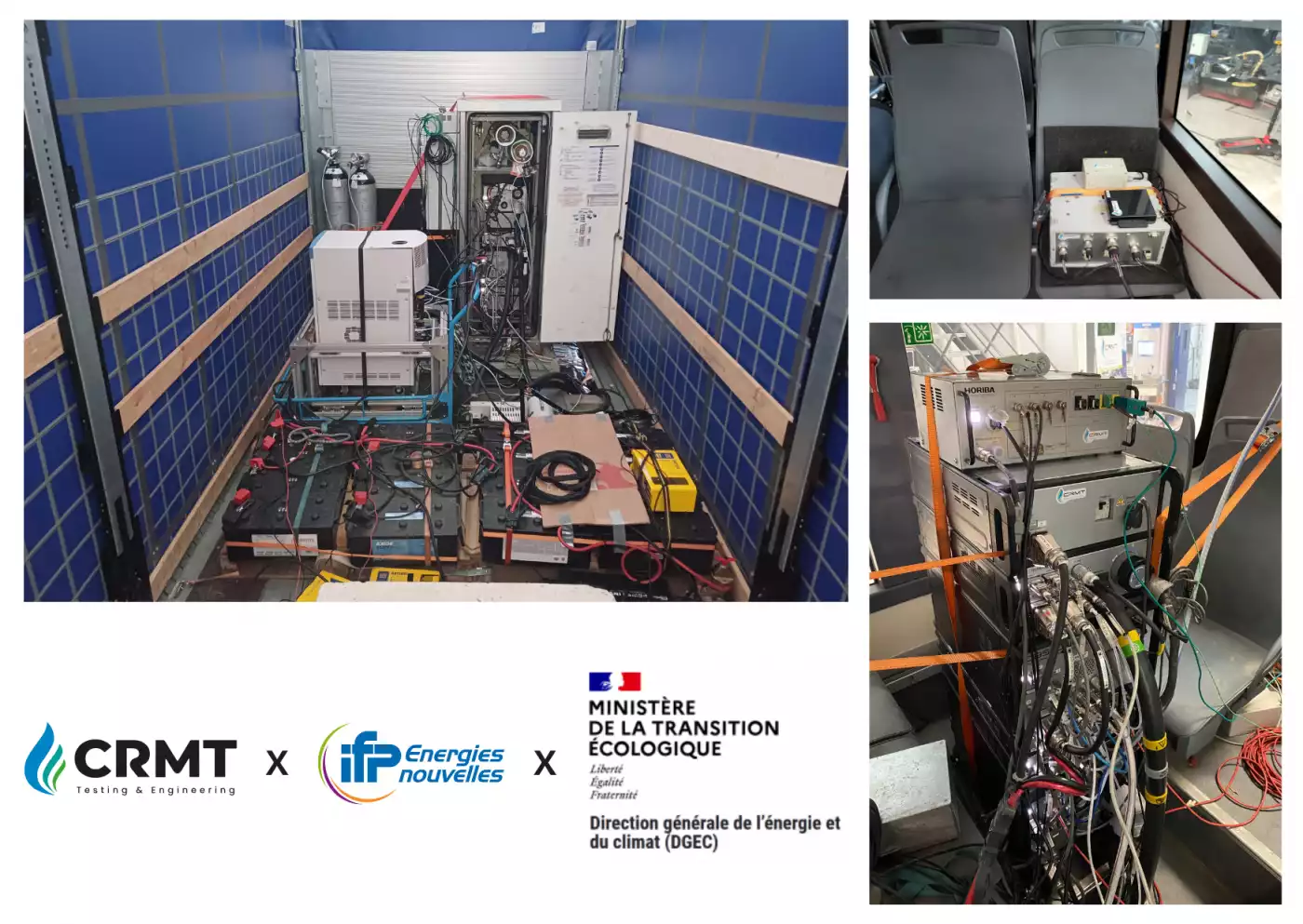
CRMT is taking part in a study for the DGEC of the French Ministry for the Ecological Transition.
CRMT was selected to contribute to a large-scale study coordinated by IFP Energies
Nouvelles on behalf of the Directorate General for Energy and Climate (DGEC) of the
French Ministry for the Ecological Transition.
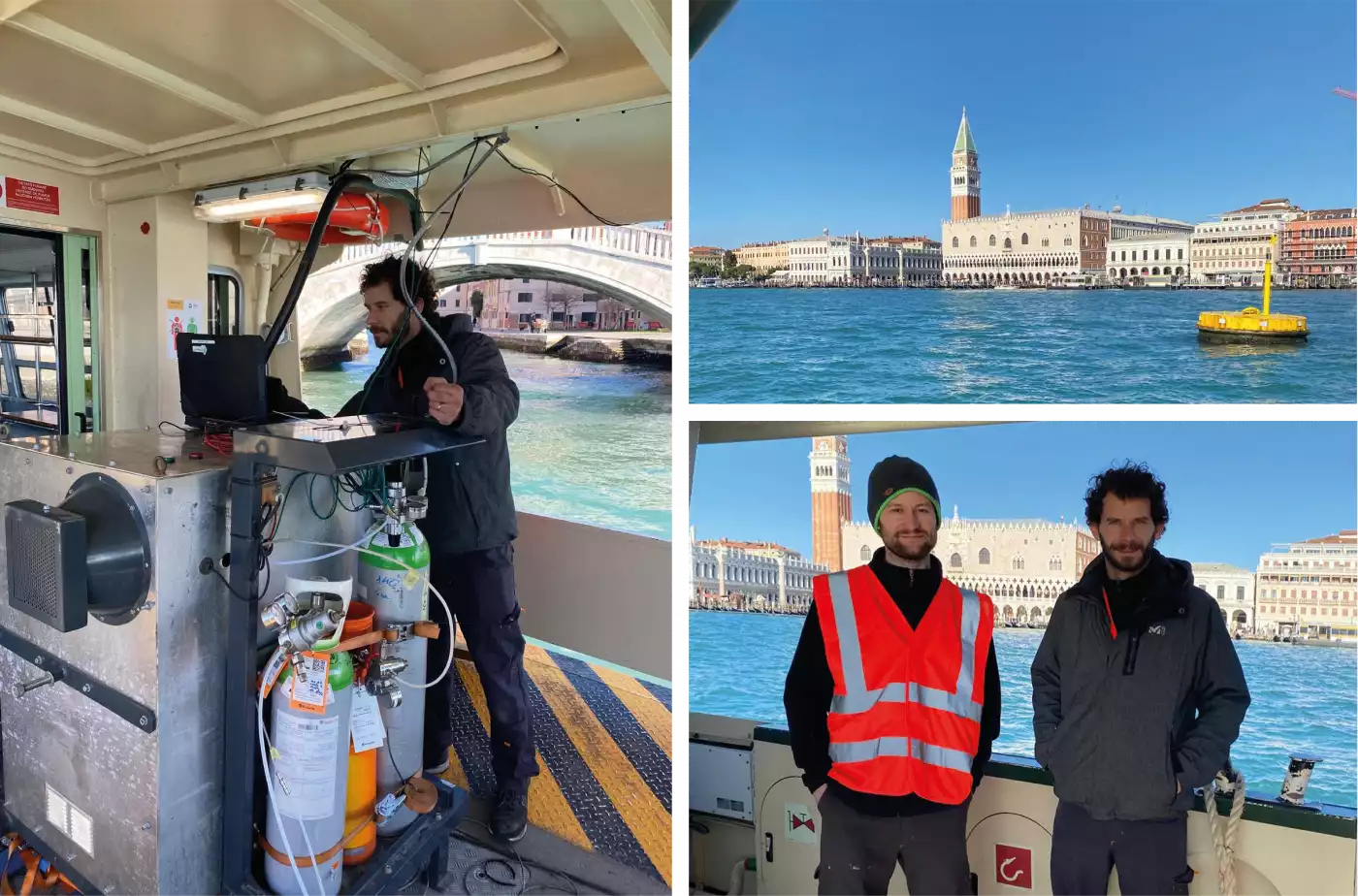
Real-world Pollutant Emission Measurements at the Heart of the Venetian Lagoon
CRMT conducted real-world ISM testing in the Venetian Lagoon to measure pollutant emissions from vessels.
Using a PEMS, precise data was collected to optimize energy performance and meet regulatory requirements.
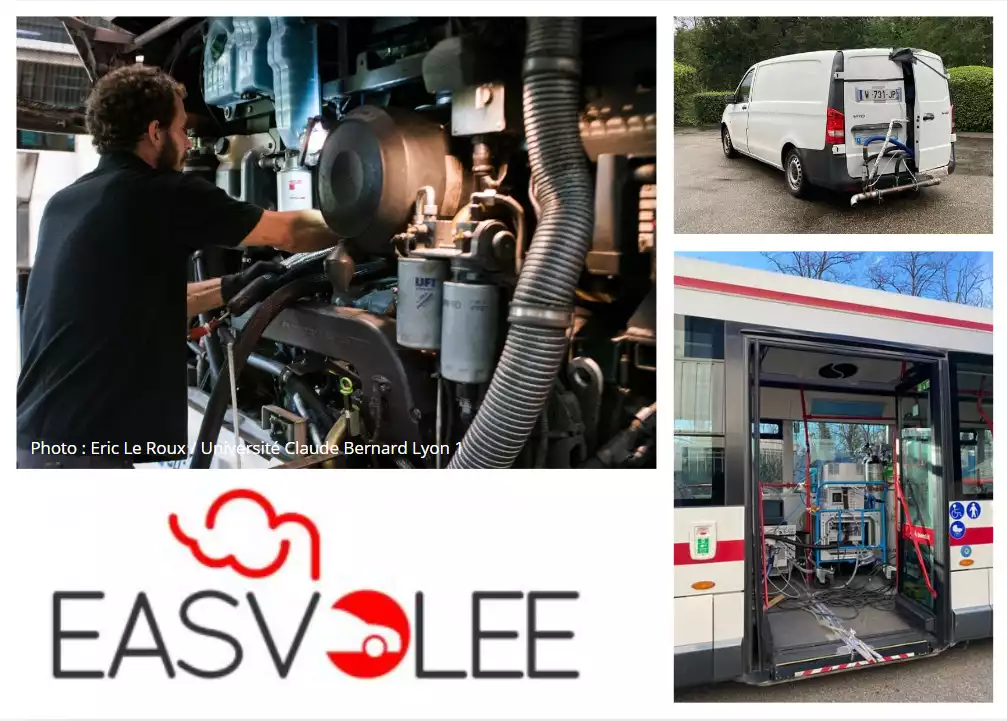
European EASVOLEE project
As part of the EASVOLEE project, CRMT is playing a key role in measuring emissions of regulated and non-regulated pollutants from different types of vehicle under real operating conditions, in order to gather valuable data for improving air quality in Europe.
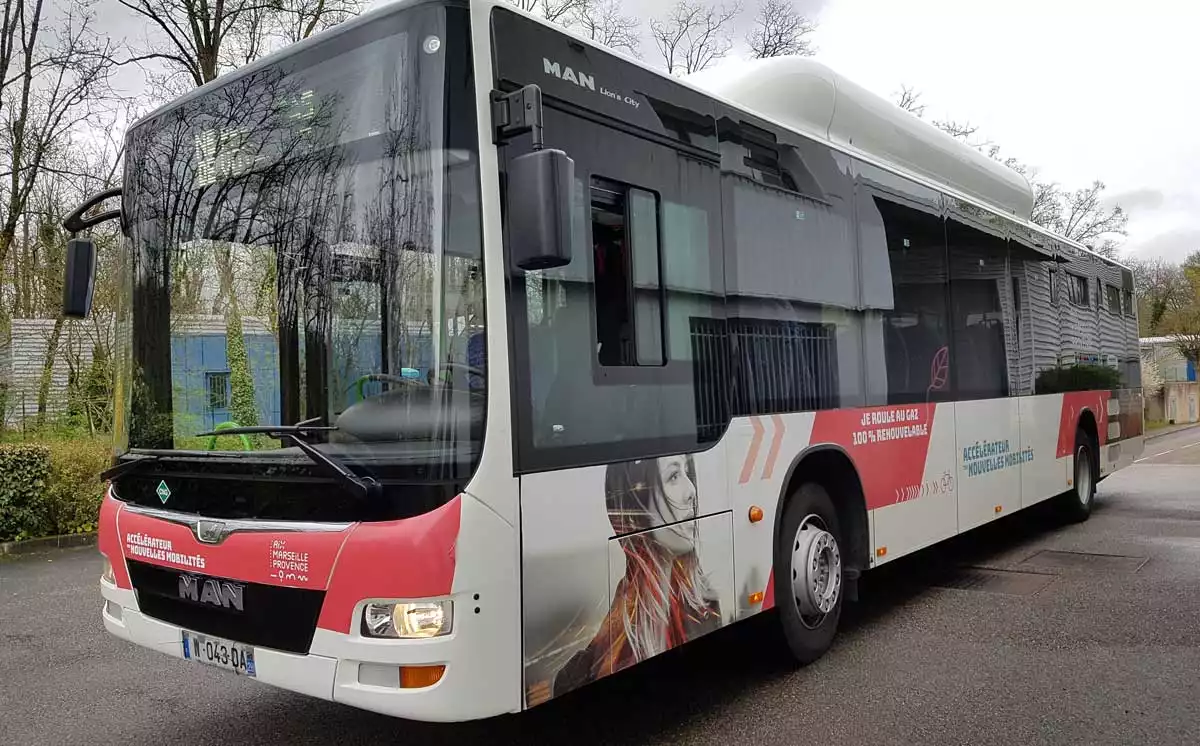
Environmental performance measurements of MAN EURO 6 diesel/HVO and CNG coaches in the PACA region
CRMT carries out measurements of pollutant emissions on diesel and HVO coaches for comparative purposes.
Equilibre project: 19 vehicles tested and 1.5 million km driven !
As part of the Équilibre project, CRMT assessed the environmental performance of CNG vehicles compared with diesel vehicles.
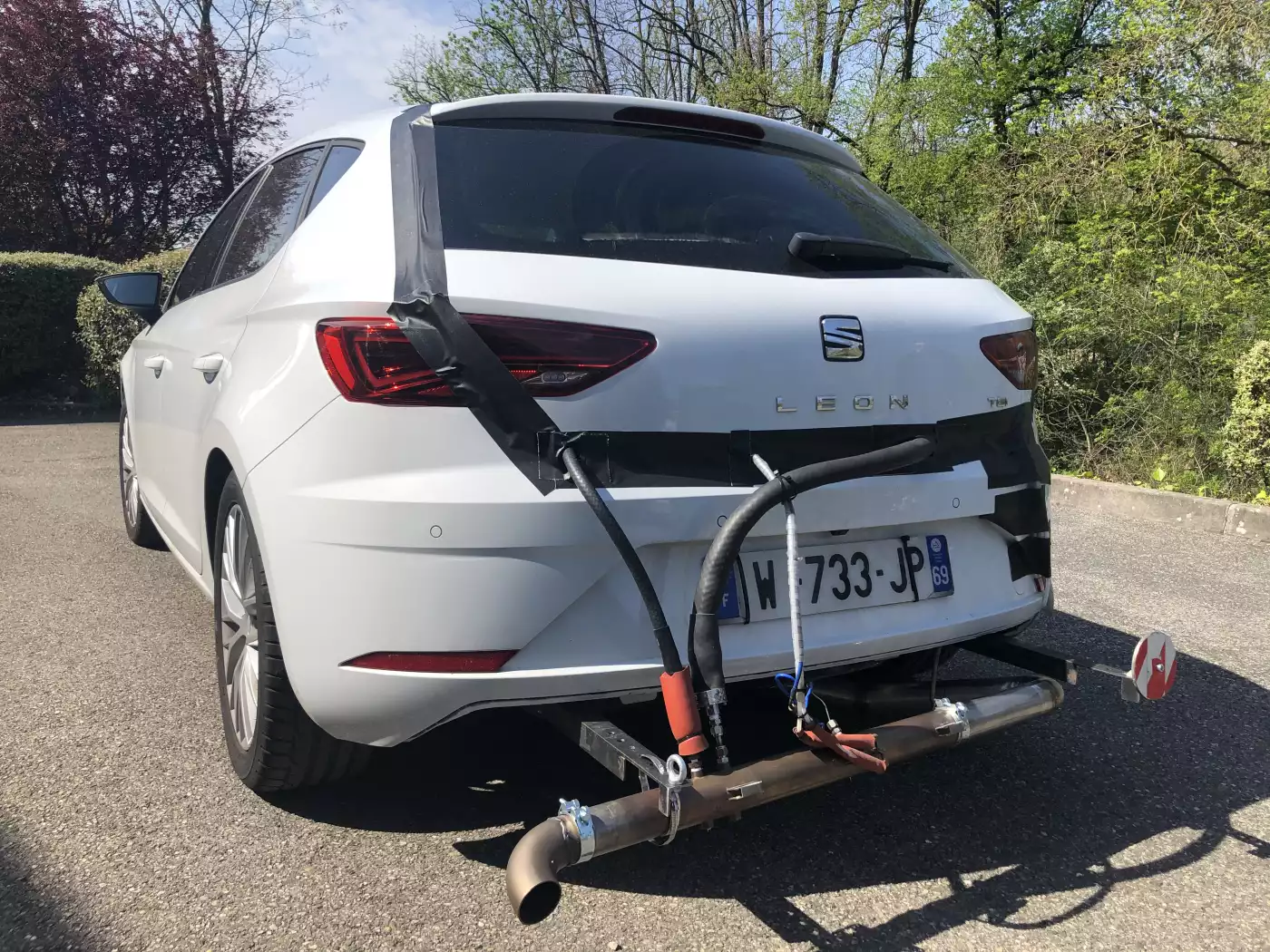
CORTEA : measuring pollutant emissions on light vehicles
CRMT has carried out R&D tests on various vehicles in the RDE cycle to measure various non-regulated pollutants that have an impact on air quality, such as volatile organic compounds (VOCs) and sulfur compounds.
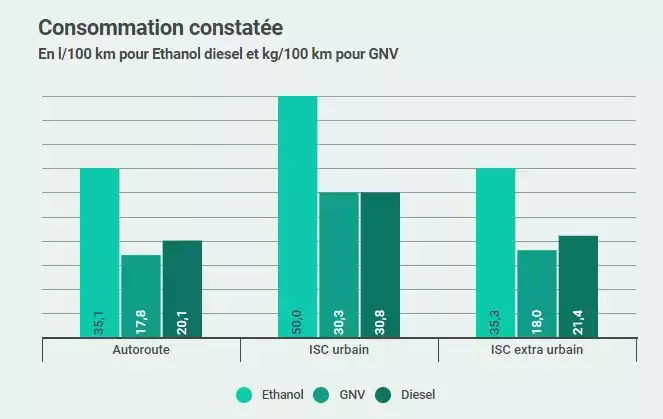
SCANIA: Clean engines and new era
CRMT carried out comparative tests for Scania France to assess the emissions of Euro VI coaches running on diesel, CNG and ethanol under real operating conditions.