CORTEA: Measures and actions to improve air quality
CORTEA: Measurements for a better air quality
Published on 20/06/2024
Download the project results here
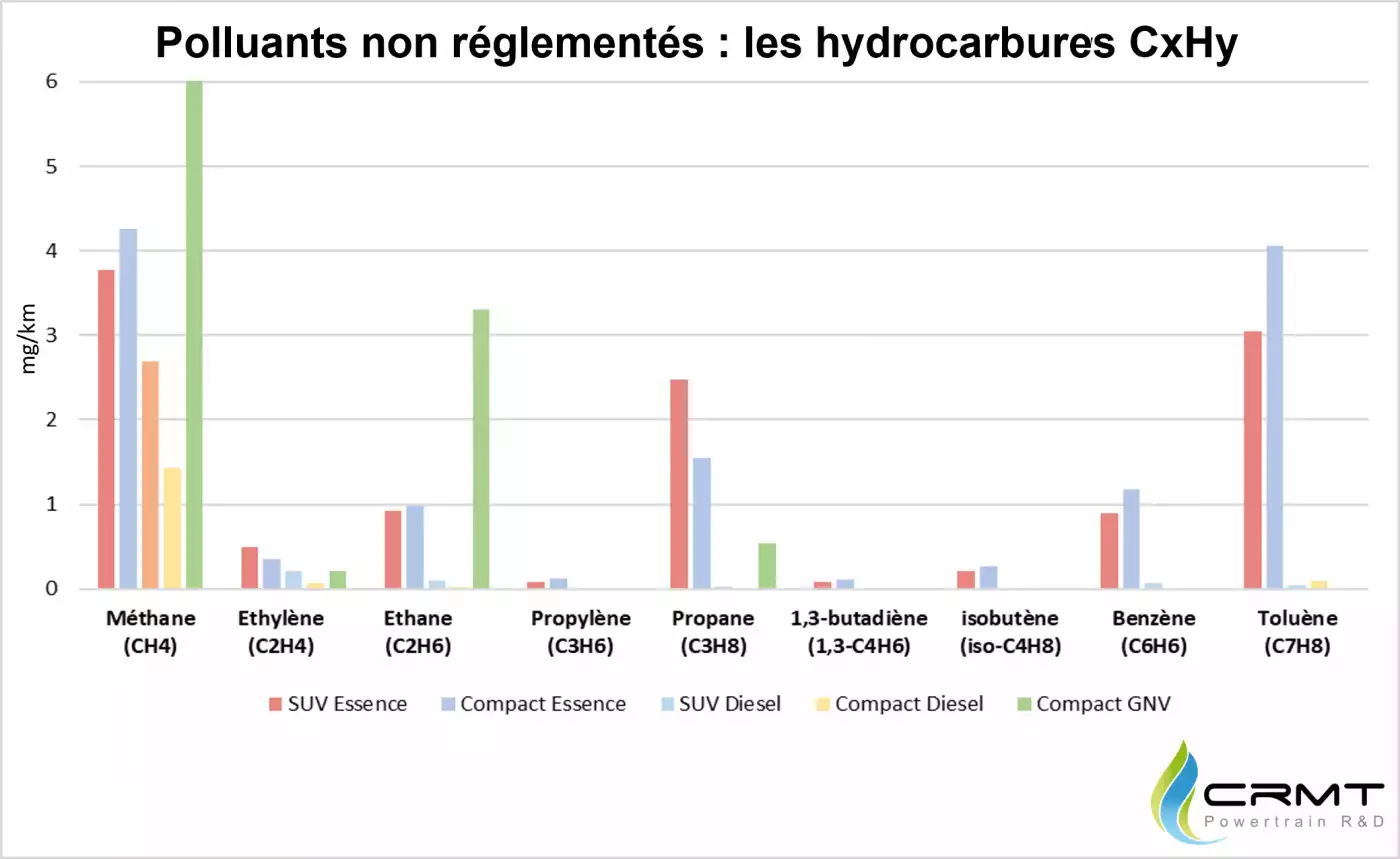
During the year 2021, we measured on-road non-regulated gaseous pollutants emitted in the air during RDE cycles (road test cycles of passenger vehicles) carried out with different models of light diesel, gasoline and natural gas vehicles. The main results are presented in the downloadable document.
This project was carried out in partnership with the Gustave Eiffel University within the framework of the CORTEA projects (Connaissances, Réduction à la source et Traitement des Emissions dans l’Air) of the national energy transition agency, named ADEME, which participated in part in its financing.
For this, we used FTIR (Fourier-Transform Infrared Spectroscopy) analyzers which are very similar to PEMS (Portable Emission Monitoring System), they are compact in size and allow for the simultaneous measurement of many components of engine exhaust gases, in addition to regulated pollutants.
We will find NO, NO2, CO, CO2, THC, NH3, Volatile Organic Compounds (VOC), sulfur compounds, cyclic products, aromatics, (toluene, benzene...). This type of analyzer is mainly used in the test bench. One of the main innovations of the project was the adaptation of an FTIR analyzer to allow its use on the road by developing a dedicated chassis.
Chassis designed by CRMT for measurements
The aim of this project was to better understand the levels of pollutant emissions from different types of vehicles, with the ultimate goal of improving air quality.
These pollutants, which are currently excluded from the criteria necessary for vehicle certification, are nevertheless very important to take into account for public health reasons, as some are classified as carcinogens.
The project has quantified the compounds emitted and built a large database that will be used by legislators to define future regulations. For example, nitrous oxide (N2O) and ammonia (NH3), which are currently pollutants that are not included in the current regulations for light vehicles, will be taken into account in the future Euro VII standard.
Here is an example of the results obtained during these measurements:
Download the project results here
More news
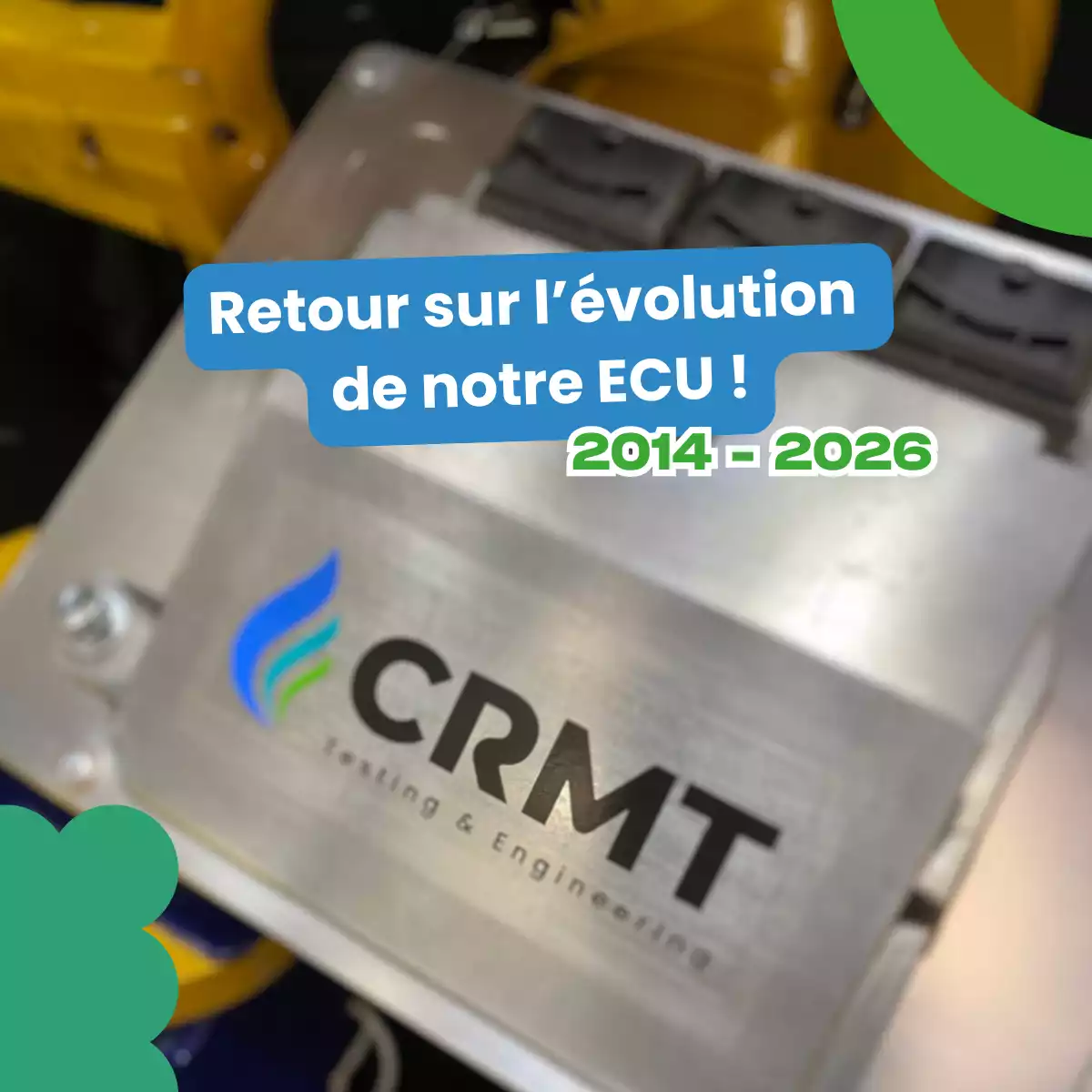
07 May 2026 - CRMT introduces its ECU: a flexible, modular controller in constant evolution.
For over fifteen years, CRMT has been developing and advancing its Engine Control Unit, the ECU C5. A true component of our projects, this modular and flexible tool has continuously adapted to the requirements of alternative fuel powertrains. A look back at the different milestones of the ECU, from its design to its internalization.
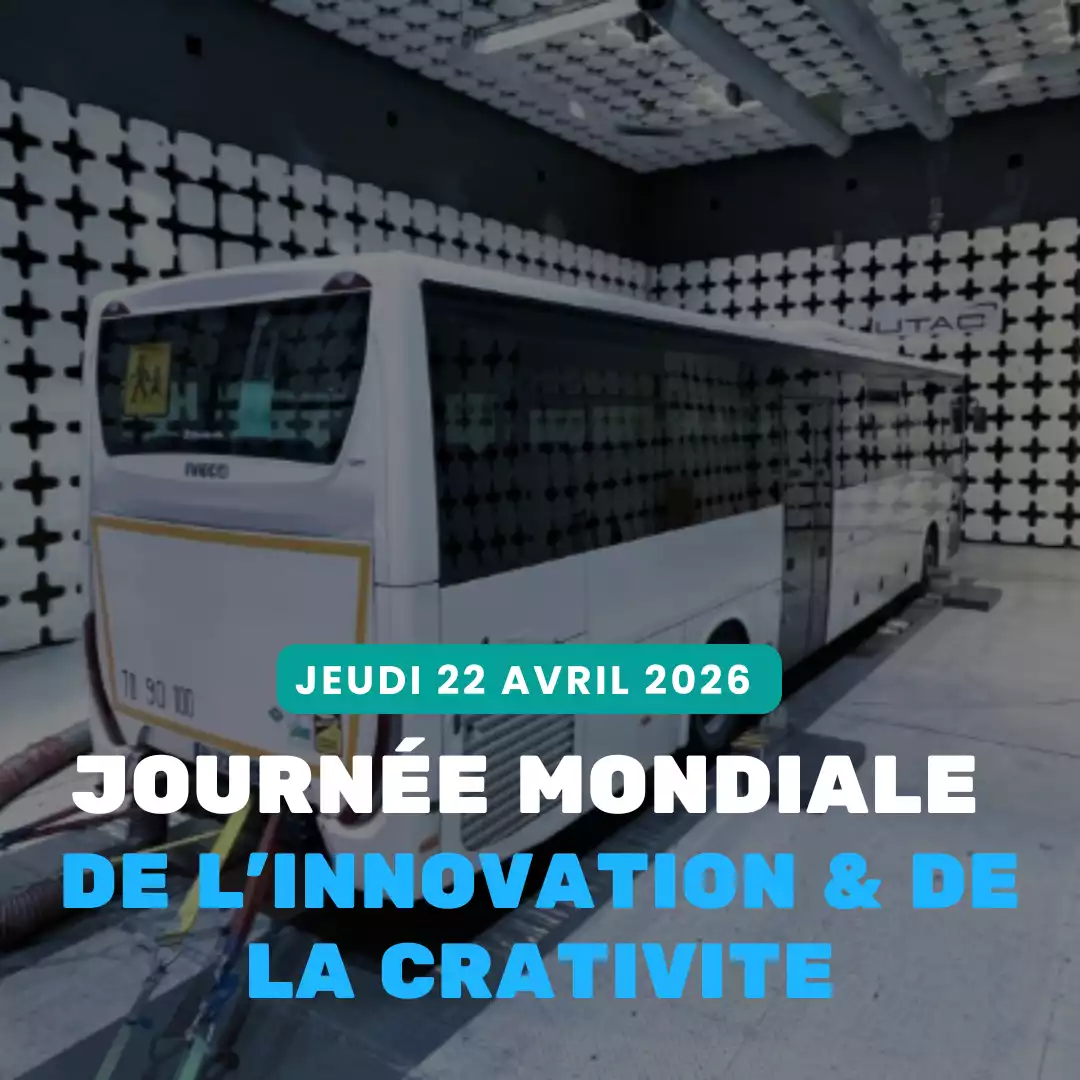
21 Apr 2026 - CRMT celebrates World Creativity and Innovation Day!
On this special day, discover the various innovations developed with CRMT’s involvement! Open ECU, BioCNG and hydrogen retrofit, as well as non-exhaust emissions measurement, CRMT has stood out by innovating for a more sustainable future!
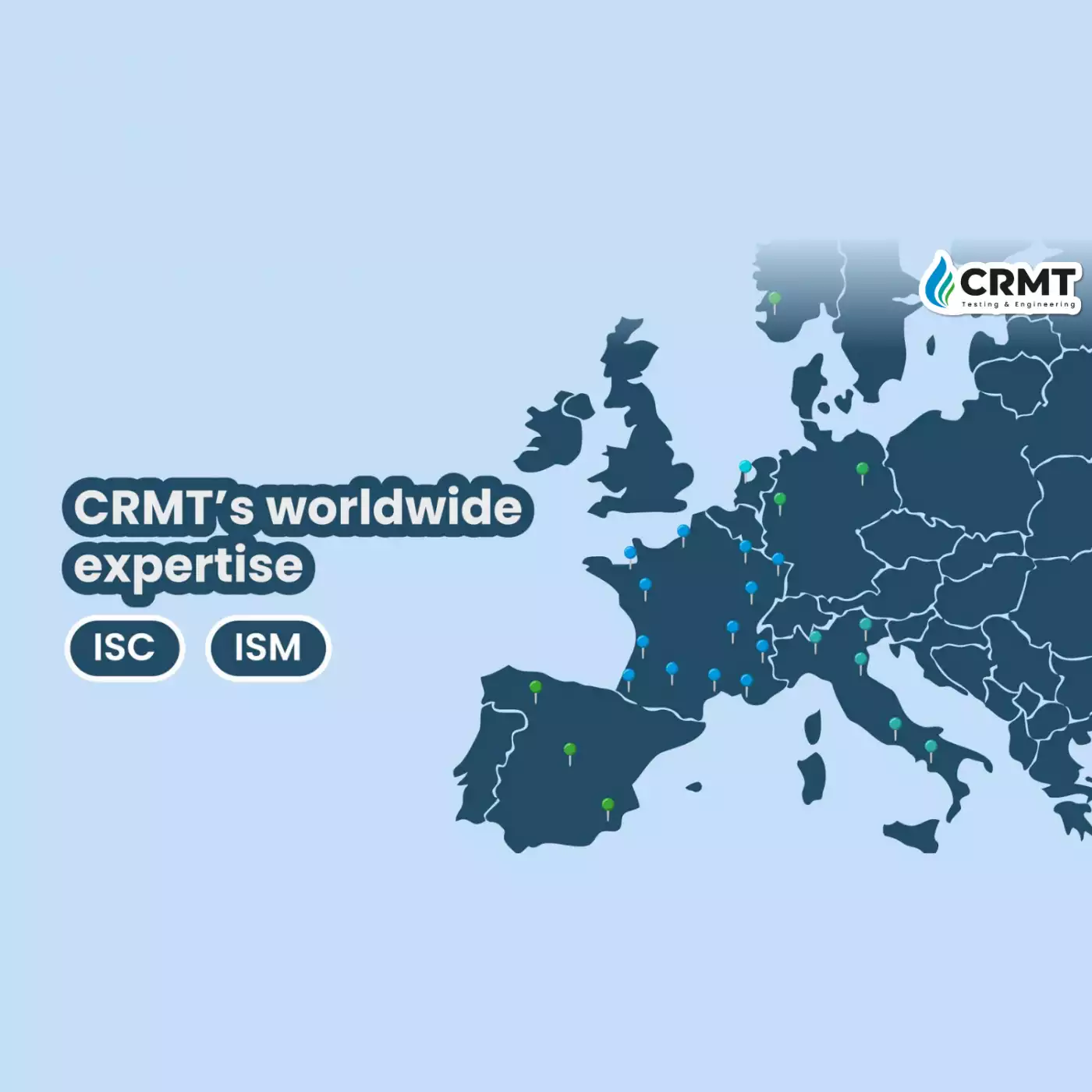
06 Feb 2026 - CRMT: Experts in measuring pollutant emissions from vehicles.
Discover CRMT's expertise in regulatory measurements using ISM and ISC cycles. We support manufacturers and engine builders in conducting their tests under real operating conditions, ensuring compliance with European regulations.
07 Jan 2026 - BioNGV retrofit, H2 engine testing, pollutant emissions measurement: 2025, a milestone year for CRMT
In 2025, CRMT reached major milestones in the energy transition of transport, with the type approval of the first BioNGV retrofit kit for Euro VI coaches, the development of hydrogen engine testing, and the deployment of pollutant emissions measurement campaigns across France and Europe. These advances confirm CRMT’s role as a key player in innovation and transport decarbonization.